Engineer News Network The ultimate online news and information resource for today's engineer
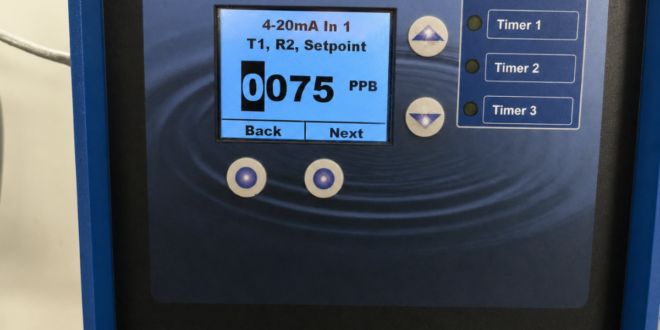
In water treatment systems, maintaining the proper chemical concentration is essential to controlling scale and corrosion. PTSA, or 1,3,6,8-pyrenetetrasulfonic acid, provides a simple way for operators to verify that treatment chemicals are being delivered at the intended rate and are reaching the system at the desired concentration. Because PTSA can be measured at very low concentrations using fluorometric instruments, operators can quickly verify treatment levels throughout a system and confirm chemical feed rates align with the treatment program.
PTSA is relatively fast and easy to measure, enabling operators to identify potential underfeed or overfeed conditions and make adjustments before they become larger system problems. Routine monitoring can help maintain more consistent treatment levels and system protection. A water treatment program is only effective when treatment reaches the system at the appropriate concentration, and monitoring PTSA levels gives teams greater confidence that their scale and corrosion control programs are performing as intended.
Unexpected PTSA readings can also serve as an early indication that conditions within a system have changed. Variations may point to chemical feed equipment problems, dilution caused by excessive makeup water, leaks or system losses, or changes in operating conditions. Identifying these changes early can help facility teams investigate the source of a problem and take corrective action before treatment performance is compromised.
PTSA monitoring can be paired with other water treatment monitoring technologies, including tagged polymers. Using multiple indicators can provide a more complete picture of treatment performance and help operators better understand system conditions and potential areas of stress. Compared with some traditional analytical approaches, PTSA monitoring offers a fast, sensitive and cost-effective method for routine field testing. Fluorometric testing can produce results within seconds, making it practical for regular monitoring and allowing facility personnel to make informed dosing decisions without lengthy testing processes.
Aquatomic Products Company highlights the importance of PTSA, or 1,3,6,8-pyrenetetrasulfonic acid, monitoring in verifying chemical dosing and preventing scale and corrosion. As a fast, fluorometric tracer, PTSA gives facility teams an early warning when feed rates drift, helping confirm that treatment chemicals reach the system at the correct concentration before performance is compromised.