Engineer News Network The ultimate online news and information resource for today's engineer
PEM S-RT nable easier tightening of mating screws and vibration-resistant locking performance
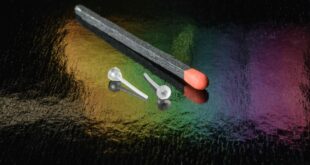
New PEM S-RT self-clinching free-running locknuts from PennEngineering feature a modified thread angle enabling easier tightening of mating screws and superior vibration-resistant locking performance in thin metal assemblies.
The modified thread formation allows mating screws to spin freely during the attachment process until clamp load is induced during the screw-tightening process.
The applied clamp load then engages the locknut’s vibration-resistant locking feature, which securely and reliably locks the screw in place.
Compared with traditional locknuts, excellent joint clamp load remains consistent, even after many on/off cycles.
PEM S-RT self-clinching locknuts install into aluminium or steel sheets as thin as .030-in/0.8mm and become permanent parts of an assembly.
On their installation using a PEMSERTER or other standard press, the back side of the host metal sheet for screw insertion will be flush or sub-flush and the assembly side will be flush or sub-flush ideally suiting sheet-to-sheet attachment applications.
These carbon steel locknuts can be specified with thread sizes from #4-40 through 5/16-18 and M3-M6 and in a variety of shank lengths.
Zinc plating finishes are available in standard colorless or optional yellow.