Engineer News Network The ultimate online news and information resource for today's engineer
Scania‘s new engine platform is more fuel efficient and powerful, has a significantly increased lifespan and a large reduction in CO2 emissions.
There are two new engines with varying power outputs for customers to choose from. The six-cylinder, 13-litre engine ranges from 368kW to 450kW, which delivers up to 11% more power and up to 21% more torque over the current generation engines. While the five-cylinder, 11-litre engine ranges from 202kW to 368kW.
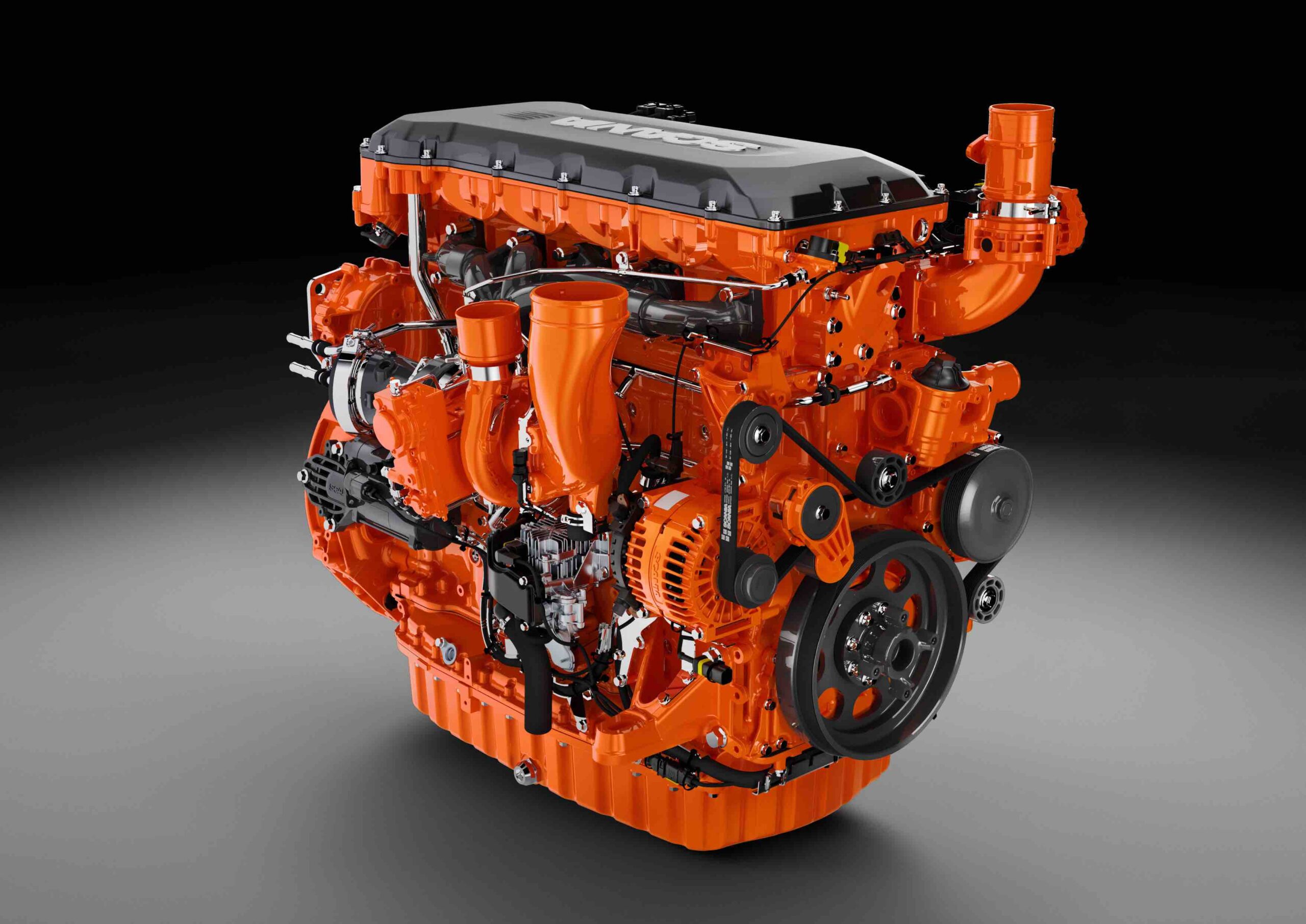
The new engines start better from cold, and enjoy longer service intervals and operating lifespans over the current generation. For example, the time between overhauls can be up to 25,000 hours.
Some of the other new design features include making the engines easier to service, more precise cooling, a more rigid engine block and cylinder head, and a more robust engine transmission with optimal gear strength.
Fuel efficiency is improved thanks to the enhanced gas exchange system, reduced internal friction and increased turbocharger efficiency.
Which means there’s up to 7% improvement in fuel consumption with the new 13-litre engine compared to the current generation. That equates to around four litres of diesel saved per hour at full load.