Engineer News Network The ultimate online news and information resource for today’s engineer
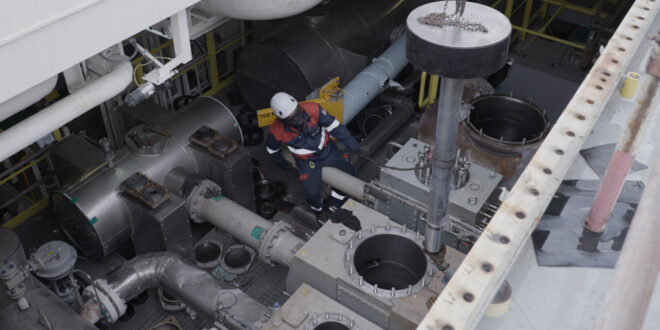
In the intricate ecosystem of global energy logistics, liquefied natural gas (LNG) transport vessels serve as the arteries that keep the world’s energy demands flowing. At the center of their operational infrastructure lies a vital piece of machinery: the reciprocating compressor. These workhorses are essential to maintaining cargo integrity, managing boil-off gas (BOG), and ensuring efficient fuel gas supply systems onboard. The reliability and efficiency of these compressors are not mere technical ideals, they are commercial imperatives that directly impact vessel uptime, safety, regulatory compliance, and profitability. Thomas Eilers looks at the factors affecting compressor maintenance and how they impact the wider business
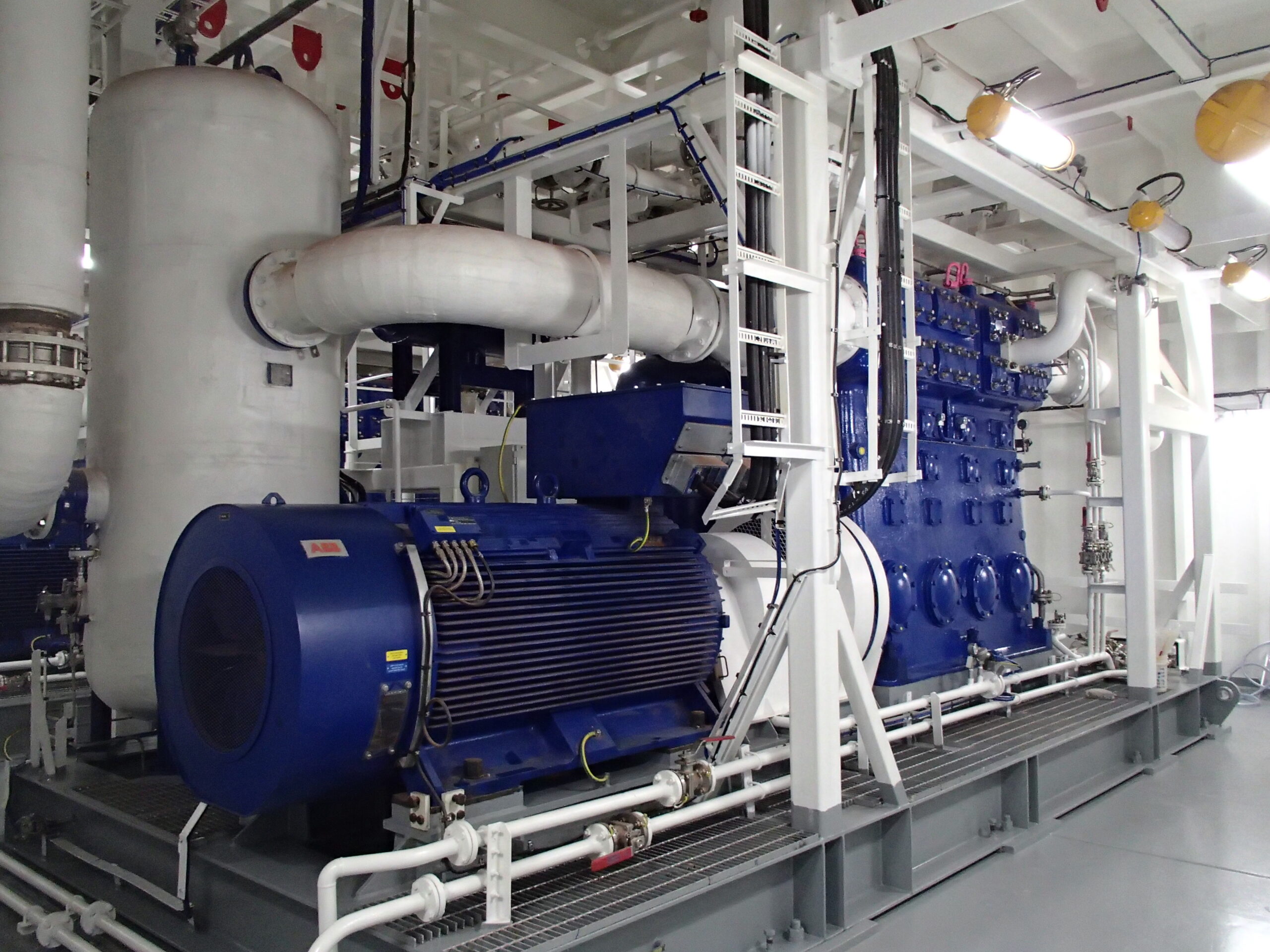
Reciprocating compressors are integral to the operation of liquefied natural gas (LNG) transport vessels, ensuring efficient gas handling and maintaining cargo integrity. As the LNG industry evolves, influenced by market dynamics, environmental regulations, and technological advancements, the maintenance strategies for these compressors must adapt accordingly.
The current LNG landscape
The LNG market is experiencing significant growth, driven by increasing global demand for gas and the need for efficient transport solutions. Advances in compressor technology have led to the development of systems with enhanced monitoring and control features, allowing for precise adjustments to varying operational conditions. These innovations reduce downtime and maintenance costs, making LNG compressors more cost-effective and reliable than ever before.
However, the market also faces challenges, including regulatory hurdles related to environmental protection, safety, and operational standards. Compliance with these regulations requires extensive resources and time, potentially increasing the complexity of project implementation and operational processes. In addition, the shortage of skilled personnel for the installation, operation, and maintenance of LNG compressors can lead to operational inefficiencies and increased maintenance costs.
Risks of extending maintenance intervals
Without proper engineering justification, extending maintenance intervals can have detrimental effects on compressor performance and safety. Reciprocating compressors are complex machines with components that require regular inspection and maintenance to function correctly.
Neglecting scheduled maintenance can lead to issues such as component failures or wear, and increased vibration levels – something that may not be immediately apparent but can cause significant damage over time. Such failures not only lead to costly repairs but also pose safety risks to personnel and the environment.
Implementing condition or performance monitoring techniques is essential for early detection of potential issues. For instance, using accelerometers and velocity transducers can help monitor vibration levels and detect abnormalities in compressor performance, allowing for timely maintenance interventions.
The business case for compressor reliability
For shipowners and charterers alike, reliability is non-negotiable. Charter agreements often include strict clauses for uptime, fuel efficiency, and emissions performance. Any deviation from these standards due to equipment failure can result in substantial penalties, lost revenue, or even canceled contracts. A failed compressor could delay loading or discharging operations, thereby breaching delivery schedules or chartering contracts.
In LNG transport, compressors are typically tasked with re-liquefying boil-off gas or compressing it for use in dual-fuel engines. Any interruption in this process compromises cargo stability and fuel supply, with immediate repercussions for voyage performance.
Reliability also intersects with safety. Reciprocating compressors operate under high pressures and in volatile gas atmospheres. A failure can quickly escalate to a hazardous situation, including gas release, particularly in confined, onboard machinery spaces. This makes routine maintenance, high-quality component sourcing, and condition monitoring not just cost-control measures, but essential risk mitigation strategies.
How gas prices influence maintenance spending
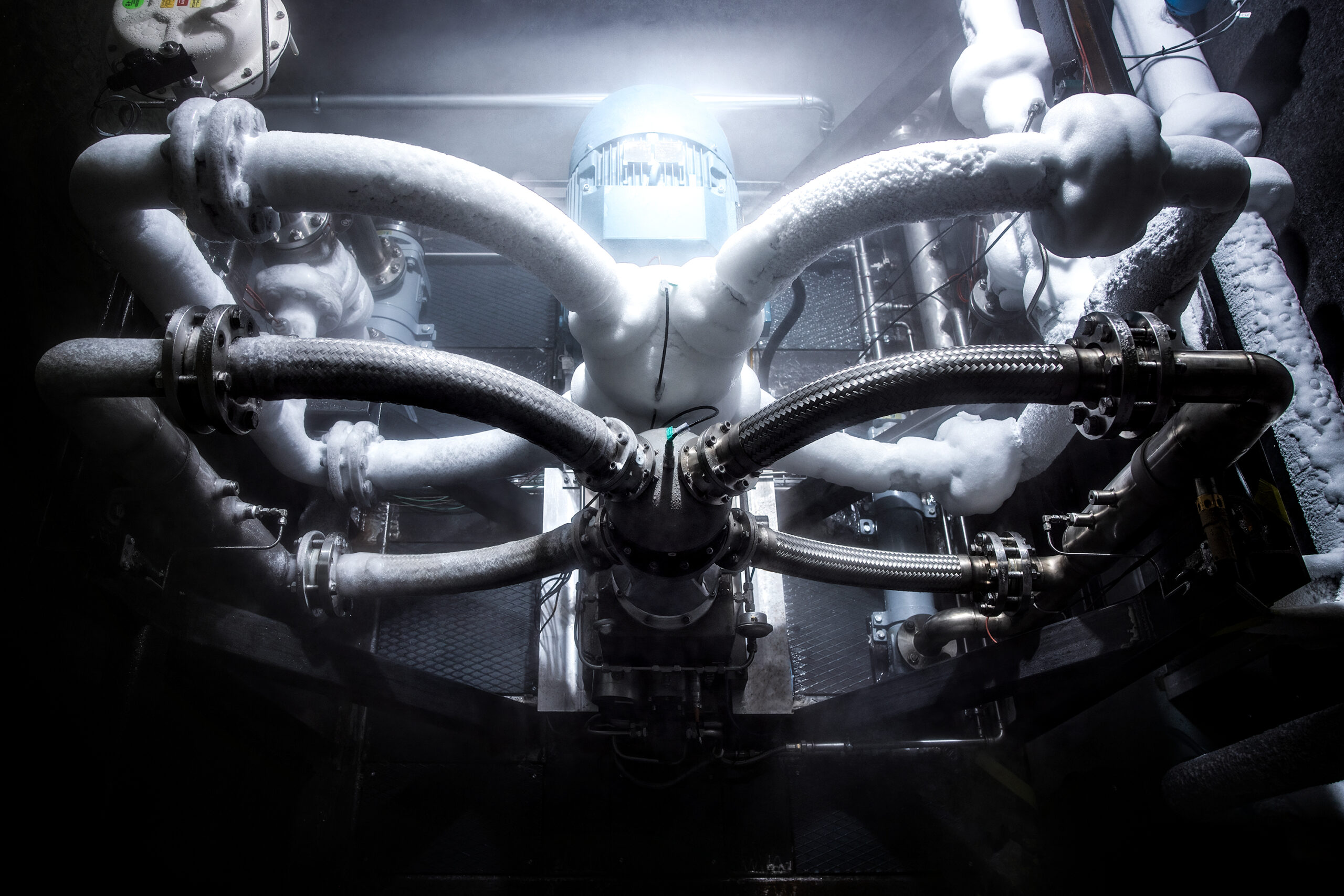
Gas prices have a significant trickle-down effect on how shipping companies manage maintenance budgets. When LNG prices are high, the pressure to maintain continuous operation mounts. Owners are more inclined to invest in preventive and predictive maintenance to avoid costly breakdowns that could sideline a vessel at a time of peak profitability.
However, when gas prices decline, especially during cyclical lows or global demand contractions, operators often face pressure to tighten budgets. Unfortunately, maintenance is one of the first areas to be impacted. The temptation to defer scheduled inspections or delay component replacements can lead to severe long-term consequences. Compressor performance degrades incrementally when maintenance is neglected, and the result is a higher total cost of ownership (TCO) due to eventual failures, expensive emergency repairs, or reduced component life.
Prudent operators understand that compressor reliability is not the place to cut corners, even in leaner times. Data shows that the cost of a planned shutdown for maintenance is substantially lower than the cost of unplanned downtime due to failure. As such, strategic investments in reliability continue to offer a solid return, even when gas prices fluctuate.
Environmental regulations and compliance
Environmental penalties and regulations are becoming more stringent, with a focus on reducing emissions and enhancing sustainability in the LNG sector. Operators must ensure that their equipment complies with these regulations to avoid penalties.
Advances in compressor technology have led to the development of systems designed with sustainability in mind. The new generation of compressors focuses on minimizing emissions and optimizing energy use by integrating advanced sealing technologies and eco-friendly components. These innovations significantly reduce leaks, increase performance and improve inefficiencies that contribute to environmental pollution.
Supporting shipowners with service agreements
To navigate the tension between reliability and budgetary constraints, many shipowners turn to long-term service agreements (LTSAs) or performance-based maintenance contracts with original equipment manufacturers (OEMs) and specialist service providers. These agreements bundle routine inspections, machine diagnostic services and data analytics, spares provisioning, and emergency responses into a predictable service model.
Partnership agreements have many advantages for both the customer and the service provider. This is borne out in the reliability figures for equipment that is covered under the partnership compared to those of customers that prefer to work without such an agreement. The former operates around 98.5% reliability whereas the latter has figures around 88-92%.
Considering this, as well as the associated costs and penalties, a partnership agreement is certainly the best way forward. Correctly drafted, it works for the benefit of both parties, minimizing costs for the ship owners, and ensuring service providers have the parts and resources available when they are required.
Predicting the future
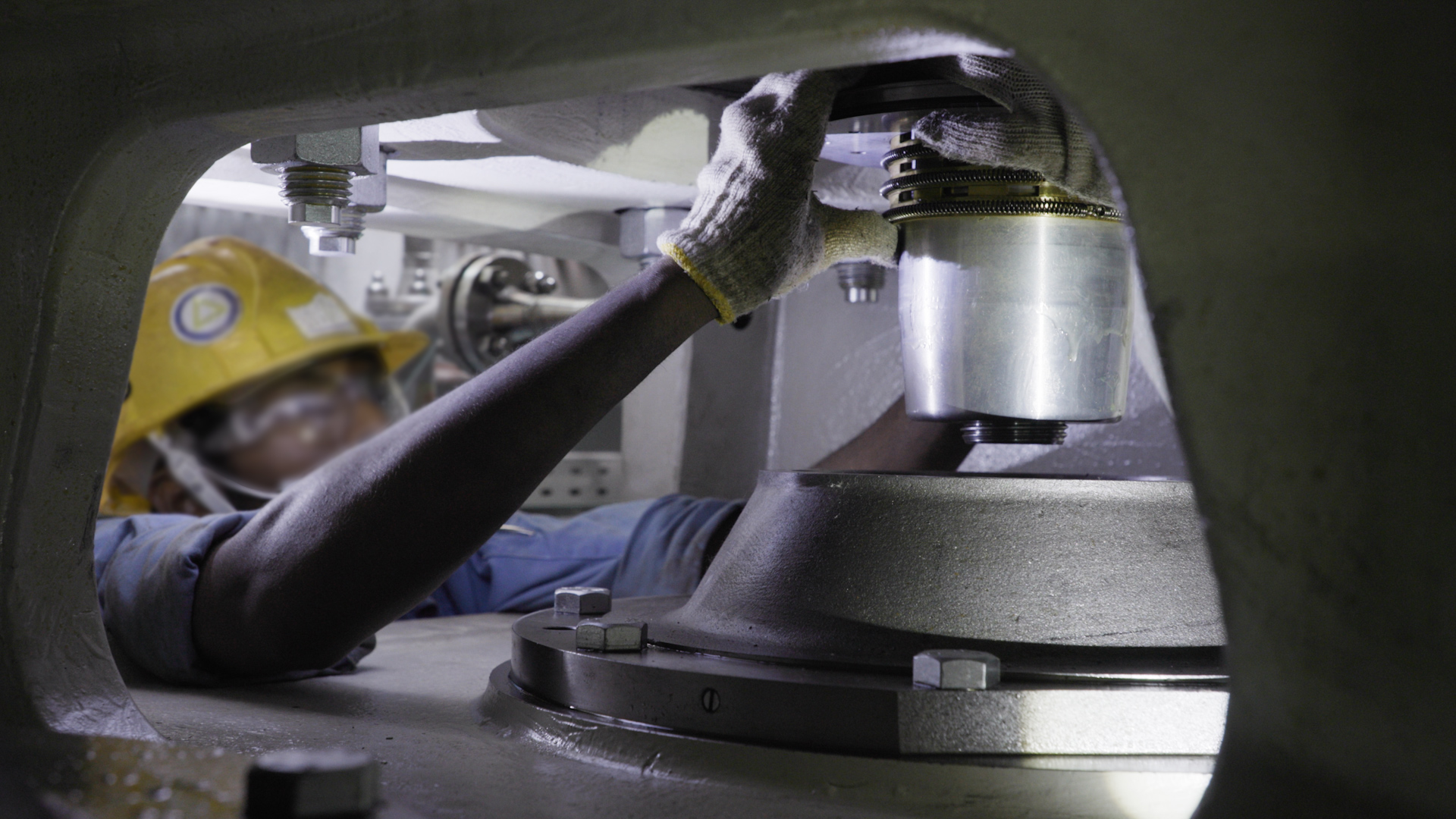
A robust service agreement does more than just outsource maintenance; it transfers part of the operational risk to the service provider. With remote diagnostics, digital twins, and predictive analytics becoming the norm, service providers can now offer guarantees on compressor availability and even take responsibility for performance metrics like uptime or energy efficiency.
For example, condition-based maintenance plans, supported by data and performance analysis and real-time diagnostics, enable service engineers to identify wear patterns long before they manifest as mechanical failure. These agreements can also reduce inventory costs, as critical spare parts are stocked strategically in alignment with vessel routes and port calls.
Replacing parts just prior to the moment they fail ensures unplanned downtime is avoided. The trick is knowing when that point will be reached, and this can be best achieved when the service provider has the experience and expertise of an OEM combined with the industry knowledge of a maintenance provider.
Building a trusting relationship
However, from the ship owner’s perspective, they must have complete trust in the maintenance supplier, and this comes from a good working relationship and proven performance in the field. Working under a partnership agreement enables the supplier to have an intimate understanding of the customer’s equipment. Data from previous visits is available, discussions with maintenance crew members are recorded and the whole experience is one of familiarity.
In contrast, visiting a machine for the first time, without any operating history or maintenance records, can be a daunting task. For the sake of continued reliability, some components will be replaced just to be sure the equipment will continue to operate until the next planned intervention. With better access to operating data and knowledge of component performance, it is possible to maximize service life and keep maintenance costs within budget.
Matching demands with abilities
It is important to emphasize that service providers have varying capabilities, and they need to be matched to the demands of the customer. LNG carriers operate across the globe, constantly moving between exporters and importers. Any downtime for maintenance needs to be minimized so ship owners carefully plan interventions to coincide with the vessel’s itinerary. Operating on this scale needs a service provider that can match the ship’s global movement and be capable of deploying resources to coincide with the maintenance schedule.
An important benefit of engaging in a partnership agreement is that it gives the operator priority for any response to unplanned maintenance requirements. When the vessel is carrying a cargo worth USD 400 million, the operator needs their maintenance provider to respond immediately to any call for assistance.
While the details of any contract are crucial, in partnership agreements it is essential to understand the scope of work that will be delivered by the maintenance provider. Some will restrict it to just the compressor, whereas others with wider knowledge will include auxiliary systems, pipework and controls. The ability to take a holistic approach to maintenance is vital. Understanding the interconnections between individual components and how they affect performance is essential to delivering a comprehensive service of the cargo handling system.
Incremental uptime improvements
While headline-grabbing failures make the case for compressor reliability stark, it’s often the quiet, incremental gains that deliver the most value. A 0.5% improvement in compressor uptime across a fleet of LNG carriers could equate to several additional operational days per year, each of which can be worth tens of thousands of dollars.
These improvements are typically achieved through a number of actions. Improved materials that reduce component wear and energy consumption as well as enhanced sealing technology that minimizes gas leakage and emissions. Refinements in valve design also extend service intervals and improve efficiency, while digitisation, including real-time analytics, fine-tune operational parameters based on voyage conditions.
Such incremental gains also improve a vessel’s environmental performance, which is increasingly a key metric in both regulatory compliance and charter competitiveness. Emissions penalties are on the rise globally, and compressors with the lowest leak rates and energy-efficient designs help vessels meet environmental targets.
Finding the best solution
Optimizing compressor uptime and minimising the total cost of ownership requires a proactive approach to maintenance and operations. Implementing advanced monitoring systems provides real-time insights into compressor health and performance. These systems allow operators to identify inefficiencies, predict maintenance needs, and make informed decisions to enhance reliability and reduce costs.
A professional, high-quality service cannot be delivered on a shoestring budget, but at the same time, value for money can still be achieved. Including key performance indicators (KPIs) in the contract can ensure a mutually beneficial relationship that supports ship owners in achieving long-term reliability cost-effectively.
Compared to OEMs, independent service providers are not constrained to working on a single brand, but they are usually smaller organisations. However, the knowledge and resources available to an OEM enable enhanced support, especially in terms of advanced materials and cutting-edge technologies. Combining these benefits with the ability to work across any brand would offer the ideal solution for ship owners.
Technological advancements
As the industry enters a new era of smart maintenance, tools such as ATEX-certified smartphones and tablets now enable real-time collaboration between ship crews and onshore engineers, even within hazardous zones. Devices are rugged, intrinsically safe, and capable of hosting diagnostic apps, video calls, and work instructions, facilitating immediate troubleshooting even mid-voyage.
Continuing on the hardware front, advanced condition monitoring platforms like Burckhardt Compression’s Diagnostic Services are revolutionising compressor reliability. These platforms collect and analyse data from pressure transducers, vibration sensors, and temperature gauges to detect anomalies long before human operators can. The result is lower maintenance costs and maximised equipment lifespan.
Artificial intelligence (AI) and machine learning are beginning to play a role too, helping maintenance teams predict failures and recommend maintenance activities based on historical and real-time data. Such systems reduce human error and allow for smarter resource planning, further improving the total cost of ownership and reliability.
Conclusion: a strategic asset, not just a machine
In today’s highly competitive gas transport sector, reciprocating compressors are no longer seen as standalone pieces of equipment. Instead, they are strategic assets that influence voyage performance, commercial contracts, and long-term fleet economics. Prioritising their reliability and efficiency is not just an engineering decision, it’s a business one.
Maintaining cargo handling systems or reciprocating compressors on LNG transport vessels involves navigating complex challenges, including market fluctuations, environmental regulations, and technological advancements. By adopting proactive maintenance strategies, leveraging technical expertise, and embracing innovative technologies, operators can ensure the reliability, safety, and efficiency of their compressor fleets.
Shipowners, charterers, and service providers that embrace this mindset are better positioned to succeed in a volatile and demanding marketplace. As LNG continues to play a vital role in the global energy transition, those who manage their cargo handling equipment or compressors with foresight and precision will stay ahead of the curve.
Thomas Eilers is Key Account Manager Service Sales Marine at Burckhardt Compression.