Engineer News Network The ultimate online news and information resource for today’s engineer
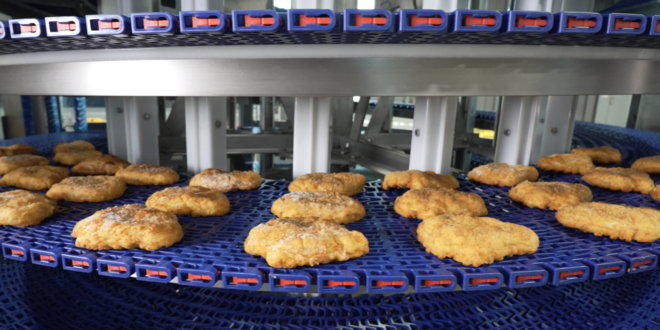
Hygiene is one of the key pillars of successful food processing. From bakery lines to meat and poultry operations, equipment must be cleaned regularly to meet the strict safety standards and protect the end consumers. Yet while the importance of cleaning is widely understood, its impact on production is often less openly discussed. Fabrizio Camparini explores the impact cleanability can have on machine performance in the food sector, and how engineering can ensure it is embedded into plant designs right from the start
The fact of the matter is that cleaning takes time. It interrupts throughput, requires labour, and introduces variability into tightly controlled processes. In some environments – particularly those involving high moisture or grease – cleaning consumes a full eight-hour work shift every day. For manufacturers under constant pressure to increase output while maintaining quality, this creates a difficult balance.
The question is not just about how to clean equipment effectively, but how to reduce the burden that cleaning places on production in the first place. Increasingly, the answer lies not in cleaning processes alone, but in the way that equipment is designed in the first place.
Why cleanability matters
Cleaning is often treated as something that happens between production runs and that is functionally separate from the actual operation of the plant. In reality, it is deeply embedded in the performance of the entire line.
Every cleaning cycle represents planned downtime. Even when efficiently managed, these interruptions reduce overall equipment effectiveness and limit throughput. In high-volume operations, the cumulative impact can be substantial, particularly where frequent washdowns or full disassembly are required.
At the same time, inadequate or inefficient cleaning carries its own impact on productivity. Residues can accumulate on belts, chains, and supporting structures, leading to increased friction, uneven movement, and accelerated wear. Over time, this can reduce efficiency and drive up the likelihood of unexpected failures.
More critically, poor hygiene has major risks when it comes to product safety. Bacteria can easily develop in hard-to-reach areas or within poorly designed components, increasing the chance of contamination. The consequences – product recalls, reputational damage, and regulatory scrutiny – for this can be severe.
According to a report from the Grocery Manufacturers Association, the estimated cost of food recall is $30 million. More than 80% of the companies surveyed described the financial risk of a recall as ‘significant to catastrophic’ for their company.
Ultimately, cleaning is not just a maintenance task. It is a key factor in reliability, cost, and risk management. And in many cases, the root cause of cleaning challenges lies in the equipment itself.
Systems that require lubrication, contain enclosed or inaccessible spaces, or rely on complex assemblies can all increase the time and effort required to clean effectively. In these cases, operators are left managing the consequences of design decisions that did not prioritise hygiene from the outset.
Designing for cleanability
To address these challenges, equipment must be designed with cleanability as a core principle, rather than an afterthought. This means considering not only how components perform during operation, but also how they behave during cleaning and maintenance.
Some of the design principles that support this approach include:
Fast, easy access
One of the most immediate opportunities lies in improving access. Systems that can be opened quickly, without specialised tools, allow operators to carry out cleaning and maintenance far more efficiently. This is particularly important in environments where skilled maintenance personnel may be limited, and where long disassembly times can significantly impact uptime.
Modular conveyor belt designs, for example, support this approach by enabling rapid opening and reassembly. In practice, this can not only reduce cleaning times and help ensure that hygiene procedures are carried out consistently, rather than put off due to any perceived complexity.
Open, hygienic geometry
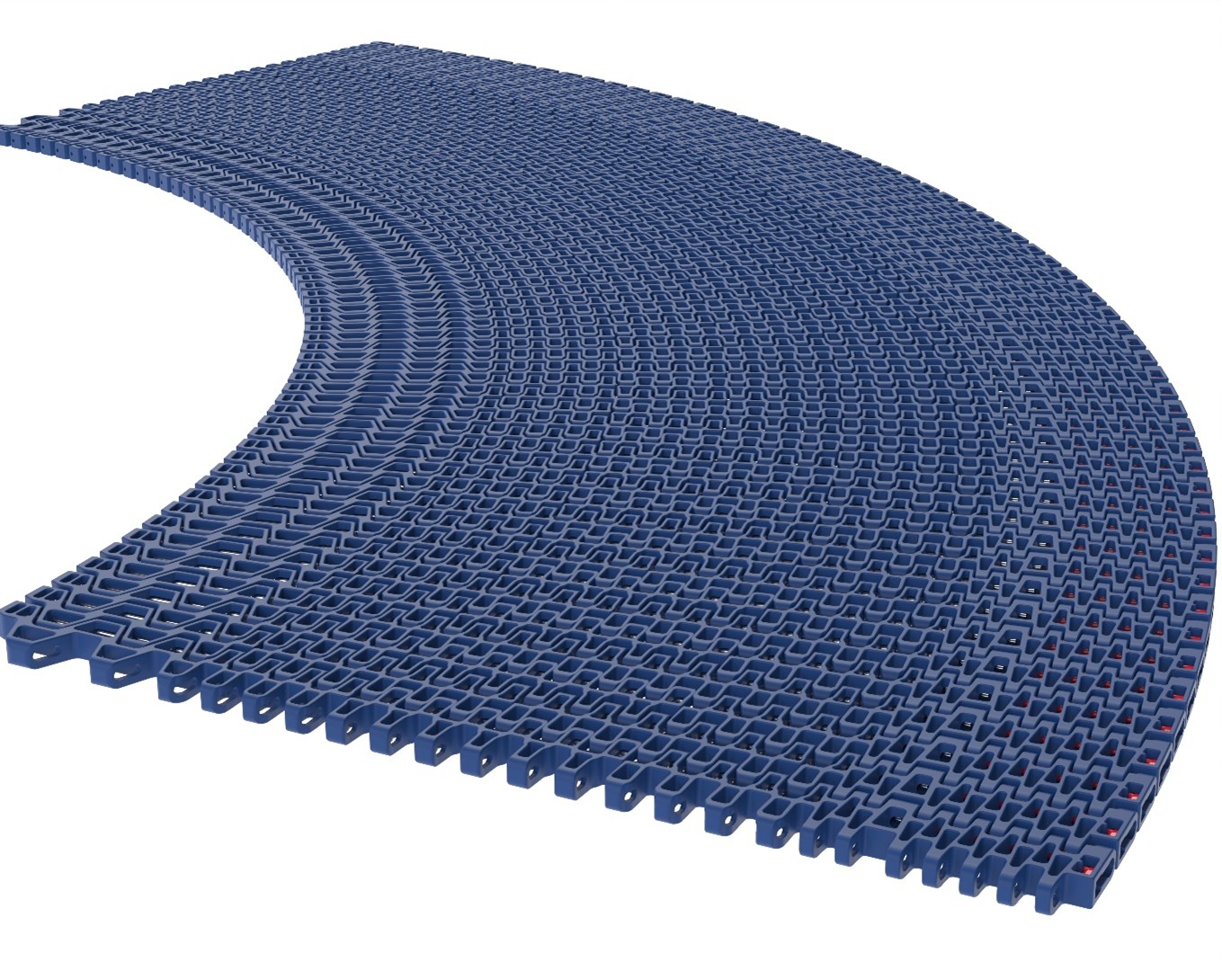
Geometry plays a critical role in how effectively a system can be cleaned. Open designs, with fewer enclosed spaces or tight crevices, allow cleaning agents and washdown systems to reach all surfaces more easily. This is especially valuable in demanding applications such as meat and poultry processing, where grease and debris can accumulate within the structure of belts or chains.
Minimal contamination risks
Cleanability is not only about removing contaminants – it is also about preventing them from being introduced in the first place. Components that rely on loose fasteners or small detachable parts can present a risk if elements become dislodged during operation or maintenance.
As a result, many hygienic designs now favor one-piece constructions or captive components, reducing the likelihood of foreign object contamination while also simplifying cleaning procedures.
Materials tailored to washdown environments
Material selection is another key factor. Components must be able to withstand frequent exposure to water, cleaning chemicals, and temperature variation without degrading or requiring additional maintenance.
For example, corrosion-resistant bearings designed for washdown environments can operate reliably under high-pressure, high-temperature cleaning regimes. IP69K-rated units, such as Sealmaster washdown bearings, are engineered to be fully sealed against water and contaminants, allowing them to withstand intensive washdowns without the need for frequent re-lubrication.
The same principles apply across the wider drivetrain. Hygienically designed geared motors, such as Bauer HiflexDrive solutions, are engineered specifically for use in demanding food processing environments. This includes features like smooth, easy-clean surfaces, as well as stainless steel and advanced polymer components with excellent resistance to cleaning agents across a wide pH range, ensuring long-term durability and consistent performance.
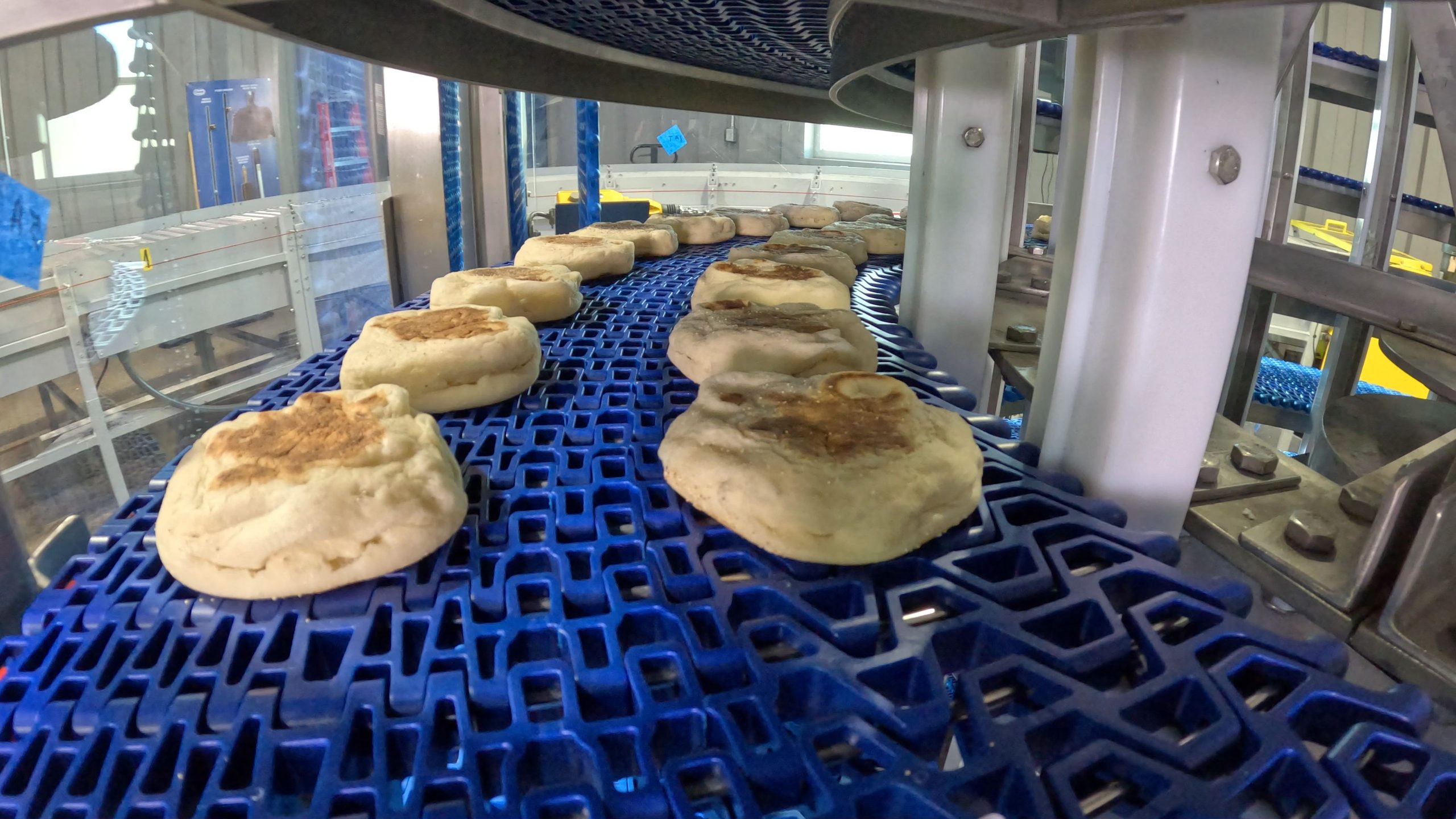
Cleaning-free designs
In some cases, the most effective approach is to reduce the need for cleaning altogether. Designs that minimise friction can eliminate the need for lubrication, removing a common source of contamination and reducing the frequency of cleaning cycles.
Low-friction plastic spiral belts, such as the Rexnord KleanTop 6400 Series, can operate without the lubrication required by traditional metal systems, helping to reduce residue build-up while also simplifying maintenance. This kind of design thinking shifts the focus from managing hygiene challenges to avoiding them altogether.
A new perspective on hygiene
As food manufacturers continue to try and balance the demands of safety, efficiency, and cost, cleanability is becoming a central consideration in equipment design. The most effective systems are those that recognise cleaning not as a disruption, but as an integral part of ensuring reliable performance.
By designing equipment that is easier to clean, quicker to maintain, and less prone to contamination, manufacturers can reduce downtime, improve reliability, and protect product quality – all at the same time.
Hygiene should not be all about meeting standards or doing just enough to meet requirements. Instead, it becomes a means of improving how the entire production line operates. And for those willing to rethink how their systems are designed, it offers a clear path to more efficient, resilient, and competitive food processing.
Fabrizio Camparini is Product Marketing Manager Food at Regal Rexnord.