Engineer News Network The ultimate online news and information resource for today’s engineer
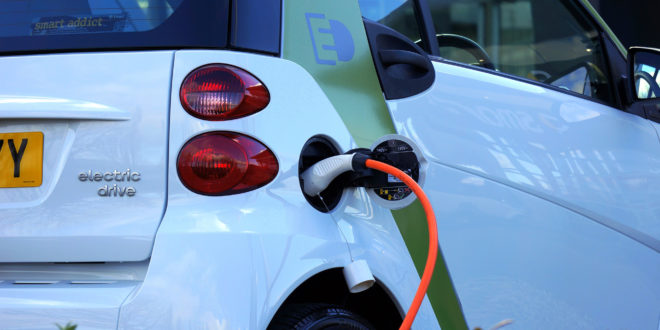
As sales of electric vehicles rise and companies begin to capitalise on the increased adoption of the technology, power quality specialist REO UK is urging the industry to consider the three areas of concern: component design, charging infrastructure and battery technology.
As part of its call-to-action, the company has released a whitepaper exploring these issues, which can be downloaded from the REO UK website.
Although a traditionally slow-moving market in terms of customer adoption, recent commitments by a variety of stakeholders — including Swedish manufacturer Volvo, who has committed to going all electric by 2019, and the UK Government, who has introduced a new industrial strategy — means that the market recorded a 63% increase in sales in 2016 and is expected to exceed one million units for 2017.
However, despite this record growth, there are still a variety of challenges that could hamper innovation and development in the electric vehicle market.
These are predominantly: the design of onboard electrical and electronic components, the availability of charging stations and the impact they will have on the electricity grid, as well as the battery technology that gives many users range anxiety.
“Although we will see the prices of batteries eventually come down and the charging infrastructure improve, unless the design and development of components keeps pace with demand, it will leave many customers with a bad EV experience,” explained Steve Hughes, managing director ofREO UK.
“This whitepaper not only looks at the background of the challenges in the EV market, it also looks at how REO has been able to use its significant experience in wound components in sectors such as rail and renewables and apply them to design and develop better components for the next generation of electric vehicles.”
For example, one of the areas explored in the whitepaper is the fact that, because modern electric vehicles feature a high component density, it can often become difficult to manage the heat dissipation from components like transformers and inverters.
This is where the company has delivered specialised liquid-cooled parts to reduce the space they need to occupy.