Engineer News Network The ultimate online news and information resource for today’s engineer

Divyam Mandalia explores how adaptable purification technologies are becoming essential across industries ranging from air separation and petrochemicals to renewable energy. He examines why flexibility, consistency, and scalability now define high-performing purification systems, particularly as purity requirements tighten and operating conditions grow more complex. It highlights how adsorption and catalytic technologies enable reliable, low-cost performance across diverse applications and why cross-sector adaptability is shaping the future of industrial purification
Whether in air separation, chemical production, petrochemical refining, or emerging renewable sectors, companies are facing a growing need for purification systems that can operate reliably under vastly different conditions. From the type of gas being processed to the regulatory standards it must meet, every application introduces new variables. The solutions that succeed are those designed not only for performance but also for flexibility, able to pivot between industries, scale with demand, and integrate seamlessly into existing processes.
This growing demand for adaptability is reshaping how purification technologies are engineered, implemented, and optimised. By understanding the common challenges industries face and the evolving expectations shaping system design, manufacturers can position themselves to deliver solutions that perform consistently, regardless of the operating environment.
From bulk to trace: purification’s increasing complexity
Every industrial process relies on one fundamental principle: the final product, whether gas or liquid, must meet the specifications required by its end use. Purification technologies are central to this, tasked with removing contaminants and ensuring product quality. But the nature of that task has grown increasingly complex.
Purification typically occurs in two stages: bulk impurity removal and trace impurity removal. Bulk removal processes such as distillation, extraction, and absorption reduce contaminants from high concentrations, sometimes as much as 40%, down to single-digit percentages. Trace impurity removal takes over from there, polishing the remaining product to meet strict specifications that are often measured in parts per million (ppm) or even parts per billion (ppb).
At this stage, the challenge is not just about achieving purity. It is about doing so consistently. Fluctuations in outlet concentrations can compromise downstream processes, disrupt production schedules, and erode profitability. The technologies that excel are those capable of delivering repeatable results, an increasingly tall order as purity requirements tighten and process conditions grow more complex.
Engineering for adaptability across sectors
The next challenge is operational diversity. Air separation, chemical, and petrochemical plants each have distinct demands, from the impurities they target to the pressures, temperatures, and gas compositions they work with. A purification system that performs well in one setting may struggle in another unless it is specifically engineered for cross-sector adaptability.
Physical separation processes, like adsorption, or catalytic oxidation reactions are particularly well-suited to this challenge. By relying on the intrinsic properties of specialised media rather than high levels of compression or electricity, these systems offer low operational costs and can be deployed across a range of feedstocks. Their relative independence from utility-intensive components makes them ideal for sectors where power consumption, footprint, and total cost of ownership are critical considerations.
Designing for adaptability also means anticipating the variability of incoming streams. A landfill gas stream, for example, may contain siloxanes, volatile organic compounds, and hydrogen sulfide, all of which can degrade equipment performance. Planning for such conditions, by selecting corrosion-resistant materials or adjusting system configurations, ensures that a solution is robust enough to handle worst case scenarios without compromising reliability.
Consistency as a differentiator
The versatility of a technology is measured not only by the environments it can operate in but also by the consistency of the results it produces. Here, the choice of purification method matters. Systems that rely on solvent based processes, for example, often require significant power and space while delivering diminishing returns in terms of purity. Glycol dehydration systems, for instance, may only achieve moisture levels of 50-60ppm, falling short of the sub-1 ppm targets common in many industries today.
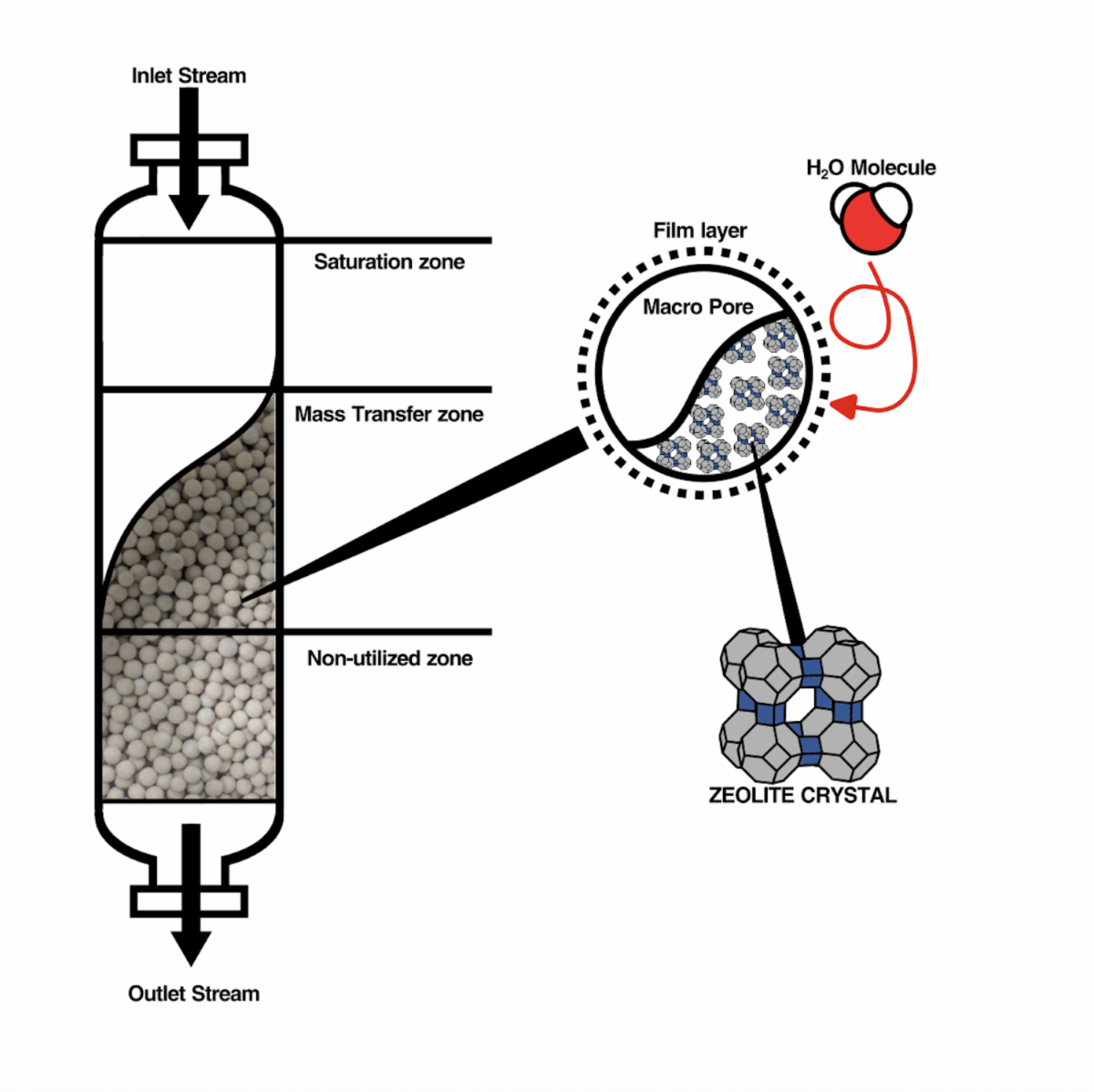
Adsorption-based technologies overcome many of these limitations. By capturing impurities on specialized media, such as molecular sieves, activated alumina, or activated carbon, they can reliably reduce moisture and other contaminants to extremely low levels while maintaining stable performance over extended operating cycles. Because these systems depend on the physical properties of the media rather than large amounts of compression or electricity, they also deliver consistent results with minimal operational variability.
Catalyst-based oxygen removal systems offer similar advantages. Competing methods like pressure swing adsorption (PSA) can reach oxygen levels of roughly 1,000 ppm, but doing so often requires high energy input and frequent media replacement. Cryogenic systems, while capable of deeper purification, involve costly compression and electricity demands. In contrast, catalytic oxidation technologies can reduce oxygen concentrations to single-digit ppm levels or below through a simple chemical reaction, providing reliable results without excessive operational costs.
Customisation, standardisation and the balance between them
As industrial applications diversify, one of the most complex engineering challenges is balancing the need for bespoke system design with the efficiencies of standardisation. A fully custom solution ensures that every project parameter is optimised, but it also increases lead times and costs. Conversely, standardized systems deliver economies of scale but can lack the precision required for certain niche applications.
Manufacturers that excel in versatility are finding ways to bridge this gap. Leveraging decades of design data and proven system architectures, they can build ‘custom-standard’ solutions, systems that are tailored to a project’s specific flow rates, pressures, and contaminants but assembled using pre-validated components and subsystems. This hybrid approach reduces engineering complexity and cost without sacrificing performance.
PSB Industries specialises in adsorption-based purification solutions and also employs catalytic oxidation technologies for applications such as oxygen removal, delivering reliable impurity control while maintaining low operational costs. Its vertically integrated manufacturing model, covering vessel fabrication, controls, piping, and testing in-house, allows for tighter quality control and faster project turnaround.
Cross sector innovation and future opportunities
One of the most powerful advantages of adaptable technologies is their potential for cross sector transfer. Solutions originally developed for natural gas purification, for example, have informed new approaches to carbon capture applications. Similarly, knowledge gained from hydrogen drying and deoxygenation systems is now guiding the design of CO₂ purification units. In many cases, the core technology remains the same, only the fuel source or materials of construction change.
Looking forward, the need for versatile purification will only intensify. As green hydrogen production scales up, trace oxygen and moisture removal will become essential to achieving the purity levels required for fuel cells and other sensitive applications. Renewable natural gas pipelines will continue to tighten their impurity specifications, while new markets like direct air capture and carbon sequestration introduce fresh challenges. Opportunities abound, but so do potential disruptions. Technologies capable of multi-contaminant removal in a single step, for example, could challenge existing approaches. However, the operational costs of such systems remain high, ensuring continued demand for specialised, cost effective solutions.
The industries driving global innovation today, from clean energy to petrochemicals, share one common requirement: the ability to adapt. Purification technologies that are versatile, scalable, and consistent are not just solving today’s challenges, they are laying the groundwork for tomorrow’s breakthroughs. As markets evolve and new opportunities emerge, the manufacturers who embrace flexibility, engineering solutions that can cross boundaries, integrate seamlessly, and deliver performance under any condition, will define the next era of industrial progress.
Divyam Mandalia is Director of Global Purification at PBS Industries.