Engineer News Network The ultimate online news and information resource for today's engineer
Europe has reached a defining moment in its clean energy transition. Wind and solar are now supplying more electricity than fossil fuels, showing that renewable generation is growing faster than ever. Here, Mike Torbitt explains the challenges that high volumes of variable renewable power present for the grid and how engineering solutions can help operators capture more value from the energy they produce
Despite this milestone, integrating all this power is not straightforward. In 2025, wind and solar provided about 30 per cent of the EU’s electricity, surpassing fossil fuels for the first time. At the same time, Germany, France and the Netherlands curtailed a record 3.9 terawatt-hours of renewable electricity because the networks could not absorb all of the clean generation.
These figures underline the scale of progress but also highlight the operational challenges that come with rapid renewable deployment. According to the International Energy Agency, “maximising the benefits of high shares of wind and solar requires increasing flexibility across generation, grids, storage and demand to securely integrate variable resources and failing to do so could risk significant renewable output and slow emissions reductions.”
For renewable energy operators, curtailment represents lost revenue, wasted zero‑carbon generation and increased pressure on electricity markets during periods of oversupply. Negative wholesale prices are becoming more common when wind and solar generation peaks while electricity demand remains subdued, highlighting the need to address this disconnect if Europe’s renewables are to continue driving decarbonisation without imposing unintended costs on the wider system.
Why curtailment persists despite record generation
The core technical challenge lies in the variable nature of wind and solar power. Unlike conventional thermal plants, which can be ramped up or down in a controlled way, wind turbines and solar arrays respond to weather conditions, producing power in pulses that can be difficult to match with demand or grid capacity. During periods of high output and low demand, transmission and distribution networks can become congested, forcing operators to curtail generation to maintain stability.
Part of the challenge is that Europe’s electricity grid was not originally designed for high shares of inverter‑based, distributed generation. Many elements of network planning and protection assume large, centralised plants with predictable behaviours. As the energy mix evolves, so too must the tools and practices that balance voltage, frequency and fault resilience. Without adequate system flexibility, curtailment can trigger negative price events and reduce the effective utilisation of investments in wind and solar infrastructure.
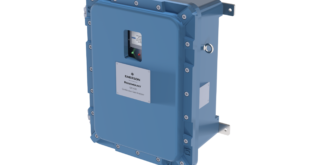
Dynamic braking resistors (DBRs) are used at equipment level to protect renewable energy systems such as wind turbines and converters during transient conditions. By safely dissipating excess energy during events such as sudden load changes or grid disturbances, they help prevent overvoltage and mechanical stress within the asset itself.
Engineering solutions to capture more value
Solving the challenge of integrating high levels of renewable generation requires more than expanding transmission capacity. As inverter-based resources become more prevalent, grid operators must rely on a broader set of electrical engineering solutions to maintain stability, manage fault conditions and ensure power quality across increasingly complex networks.
At the system level, technologies such as neutral earthing resistors (NERs), high-voltage filter resistors and load banks play an important role in supporting grid reliability. NERs help control fault currents and improve safety during earth faults. Filter resistors assist in managing harmonics and maintaining power quality in networks with high inverter penetration. Load banks are widely used for testing, commissioning and validating the performance of generation and grid infrastructure under controlled conditions.
As renewable penetration increases, the behaviour of fault currents and system response changes significantly. Traditional protection and stability assumptions are being challenged, requiring equipment that can help ensure predictable system behaviour under both normal and fault conditions. Resistive technologies are a key part of this wider toolbox, supporting operators in maintaining resilience and operational control.
Specialist engineering partners such as Cressall, with experience in designing high-power resistive systems for grid-connected applications, support the development of tailored solutions that reflect the evolving requirements of modern electricity networks.
Towards a more flexible, efficient power system
The fact that wind and solar have overtaken fossil fuels in Europe’s electricity mix is a cause for celebration, but it also makes one thing clear: deployment must be matched with integration. Without this, a growing proportion of renewable output may continue to be curtailed or underutilised, reducing the return on investment for developers and slowing progress towards climate goals.
Expanding grid capacity, deploying energy storage at scale and enhancing system flexibility are all essential. Engineering solutions that help balance variable generation, constrain fault currents and support real‑time network control will be equally important in unlocking the full value of Europe’s renewable energy transition.
For renewable operators, policymakers and system planners alike, the message is straightforward: boosting generation is only half the battle. The other half is building a resilient, adaptable grid that can harness every available watt of clean power and deliver it where it is needed most.
Mike Torbitt, managing director of resistor manufacturer Cressall.