Engineer News Network The ultimate online news and information resource for today’s engineer
Bally Ribbon Mills (BRM), an industry leader in the design, development, and manufacture of highly specialised engineered woven fabrics, announces its film infusion capabilities for 3D woven joints.
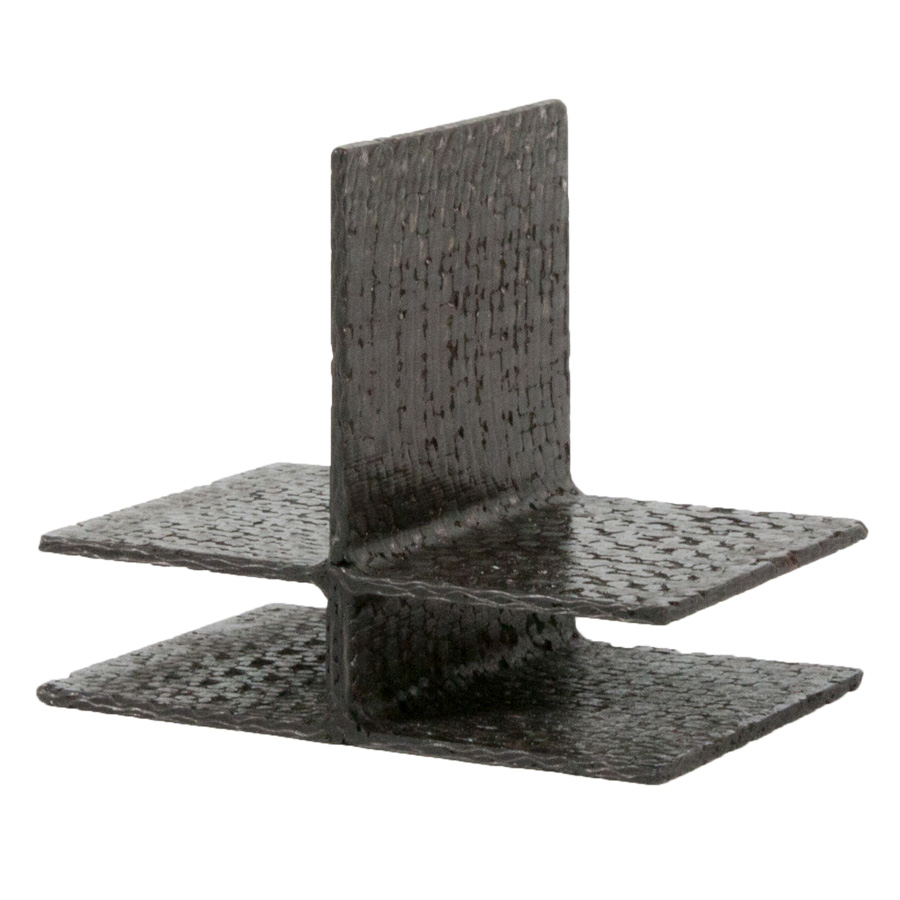
In the film infusion process, a frozen sheet or film of resin is infused onto the custom 3D woven joint, saving customers the trouble of infusing the resin themselves upon delivery of the BRM-made joint.
BRM has perfected the science and art of 3D continuous weaving. Their research, design, and fabrication expertise enables them to solve specific challenges in innovative ways.
BRM’s Advanced Products Group has developed technologies to fabricate 3D woven structures such as Pi-π, double T, H, and other complex net shapes.
These complex woven structures are used primarily in aerospace applications, often in airframe structural components and subassemblies including stiffeners and joints. They are custom made to fit the application.
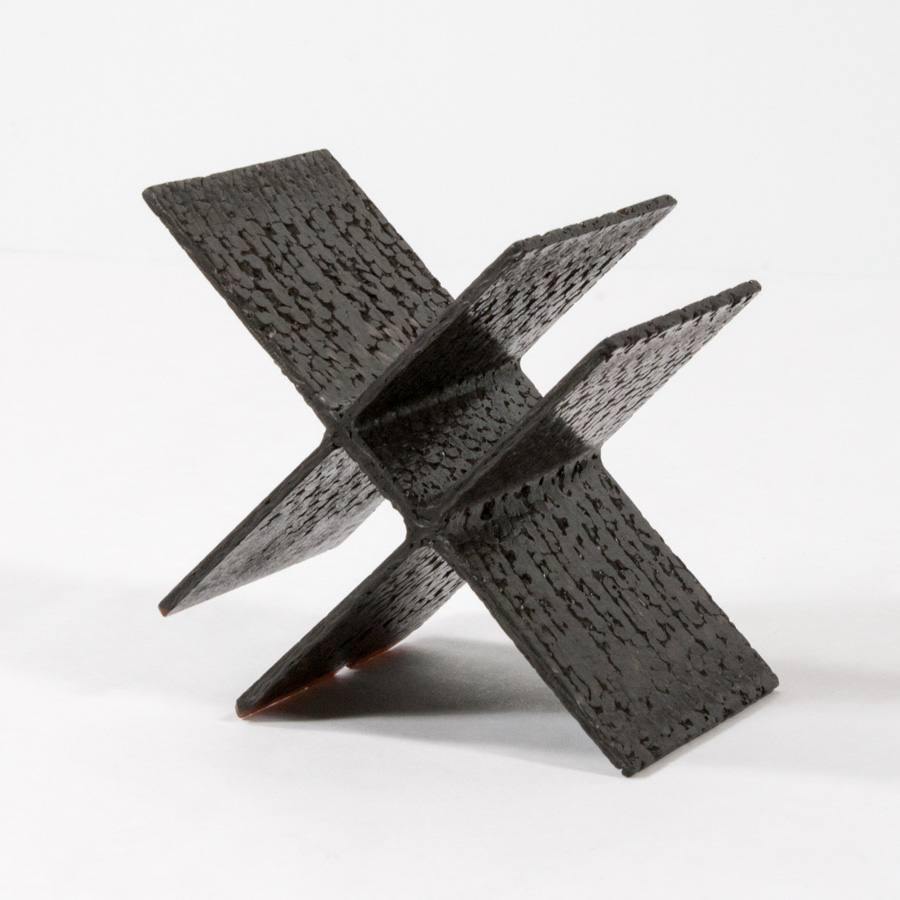
BRM uses the film infusion process to infuse a variety of resins to these complex 3D woven shapes. This ability allows BRM to ship its 3D woven joints as pre-made assemblies, saving customers processing steps that require time, work, and specialised machinery.
BRM‘s film infusion capability also allows them to control more steps of the 3D woven joint assembly manufacturing process, ensuring consistent quality control.