Engineer News Network The ultimate online news and information resource for today’s engineer
Coronavirus can be identified automatically from sick patients’ lung X-rays using artificial intelligence (AI) developed at Brunel University London.
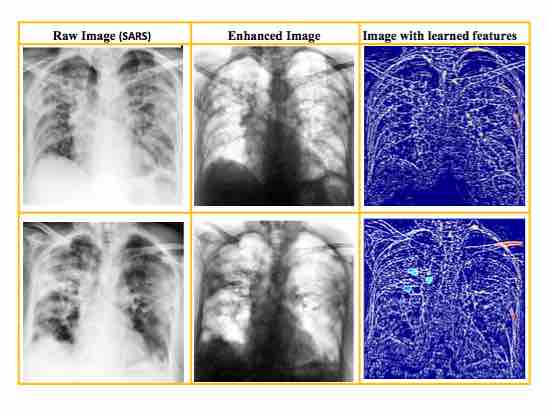
The algorithm, which detects coronavirus diseases including COVID-19, SARS and MERS, uses image analytics to spot signs and deep learning to rank them.
Image processing techniques enhance the targeted X-ray images and use an algorithm to create visual cues related to each particular disease.
The disease identification and classification algorithm is highly accurate and has been tested on X-ray images from real patients with confirmed cases.
“A tailor-made AI algorithm scans enhanced images and then extracts visual cues to help automatically identify coronavirus cases and monitor the development of the virus in infected people,” said Professor Abdul Sadka.
Image analytics on its own can’t confirm someone has a specific disease, cautions the Director of Brunel Digital Science & Technology Hub. But coupled with deep learning, it can help doctors diagnose people more accurately, which means they can manage how the illness develops and act sooner to stem the spread.
It uses multiple layers of information processing to automatically build a picture of what to look for in X-rays, then trains a deep learning model to classify the type of the disease.
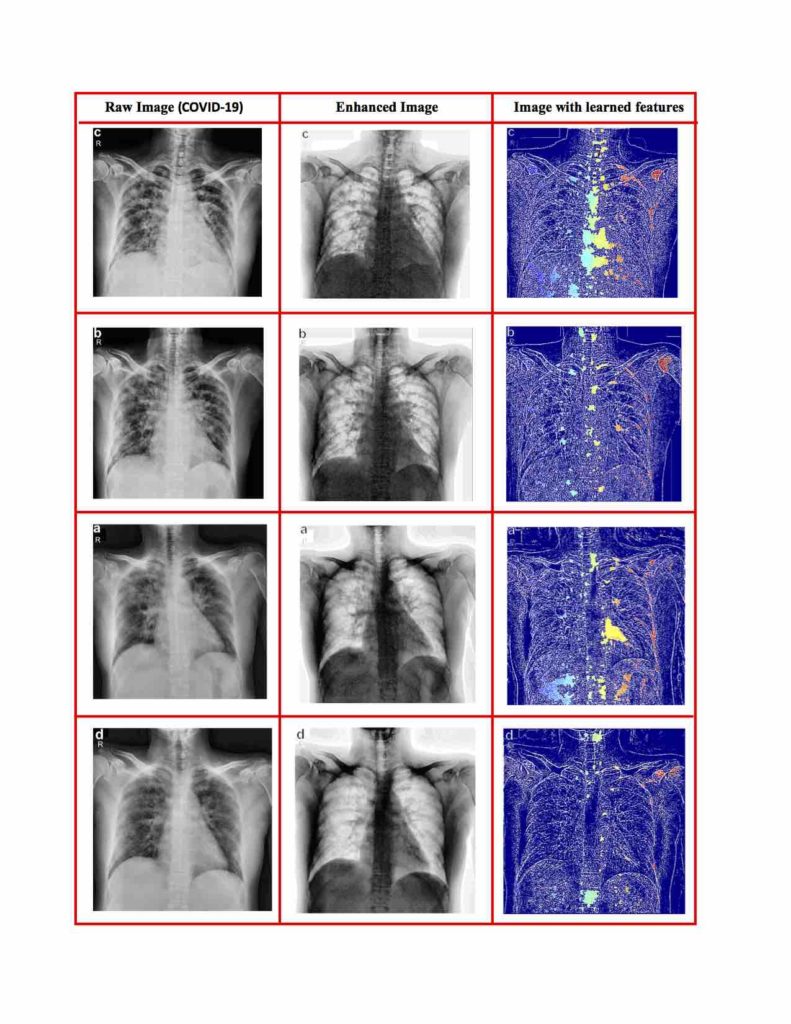
With more details about the patient such as age, gender, date of X-ray, and medical history, the model can monitor how the virus develops plus predict the outcome for people infected. And because it is fully automatic, it cuts out the need to have a radiologist there for diagnosis, releasing pressure on the NHS.
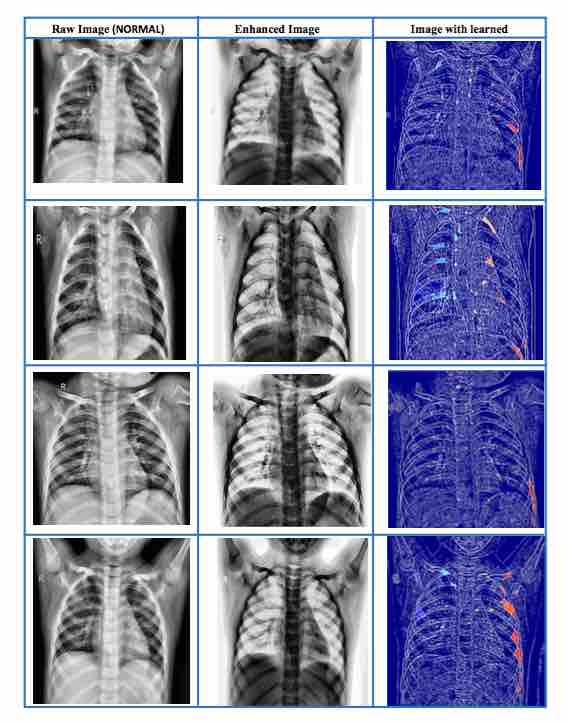
Besides coronavirus diseases, the technology can also automatically flag up other types of lung diseases, such as asthma, chronic obstructive pulmonary disease (COPD), lung cancer and pneumonia.
The team is now in talks with businesses to get it rolled out on a commercial scale.
“New techniques in image analytics and AI can, and should, play an instrumental role in restraining the spread of COVID-19,” said Prof Sadka, “by automatically and accurately identifying the disease.
“With the virus not going away anytime soon, this technology has the capability to massively ramp up our response to the disease and enable the healthcare specialists to identify, monitor and handle the treatment of pulmonary diseases.
“What is needed now,” he stresses “is for the business sector to come forward and help get it out to the NHS as soon as practically possible.”