Engineer News Network The ultimate online news and information resource for today's engineer
Mark Montgomery explains how a strategic lubrication reliability programme transforms lubrication from a routine maintenance task into a proactive reliability strategy by combining oil analysis, contamination control, automated lubrication, and standardised best practices to reduce downtime, extend equipment life, and improve operational performance. It is highly relevant to the industrial sector because manufacturers and industrial facilities depend on reliable equipment, and implementing comprehensive lubrication programs helps increase uptime, lower maintenance costs, improve productivity, and maximize the return on critical assets
For too many industrial organisations, lubrication is a mere maintenance task, a routine chore performed without strategic consideration. This oversight ignores the profound impact that lubrication has on asset reliability and, by extension, overall business performance. Achieving lubrication excellence often requires the support of a dedicated, full-service lubrication solutions provider rather than reliance on transactional supply agreements or occasional equipment upgrades.
Many companies do not consider lubrication a core competency. Internal teams are often overburdened, dealing with high turnover rates and a multitude of competing priorities. This environment can lead to lapses in focus, training and execution, undermining even the most well-intentioned lubrication programmes.
This is where a specialised, full-service lubrication reliability provider can change the dynamic by serving not just as a product supplier, but as a strategic partner, delivering the structured oversight, technical expertise and programme discipline necessary to bridge knowledge gaps and sustain consistency.
By providing continuity and a results-oriented methodology, a dedicated partner elevates lubrication from a maintenance afterthought to a central pillar of operational resilience. In today’s competitive landscape, this level of specialised partnership can be essential to achieving enterprise-level reliability and performance.
A pervasive issue across industrial operations is the outdated belief that ‘grease is grease, and oil is oil’. This lack of specialisation is a significant operational vulnerability.
When lubrication is poorly managed, equipment is subjected to excessive friction, overheating and accelerated wear. The resulting unplanned downtime is one of the most disruptive and expensive events in manufacturing.
At the same time, the shortage of skilled maintenance professionals has become a critical operational constraint. Organisations can no longer afford to deploy their limited technical workforce on inefficient manual greasing routes or reactive firefighting.
By implementing an optimised lubrication reliability programme, organisations can buy back time on multiple fronts. Automating fundamental tasks and deploying high-performance lubricants selected for the application can free skilled technicians to focus on proactive, high-value reliability initiatives.
This strategic reallocation of labor is just the beginning. The true ROI is amplified by extending component life and maximising productive uptime. In one documented customer application, improved lubricant cleanliness was estimated to increase component life by at least 300%, helping turn maintenance from a cost center into a powerful driver of operational excellence.
Oil analysis
A world-class lubrication reliability strategy transitions an organisation from a reactive maintenance environment to condition-based maintenance (CBM). At the core of this transition is oil analysis.
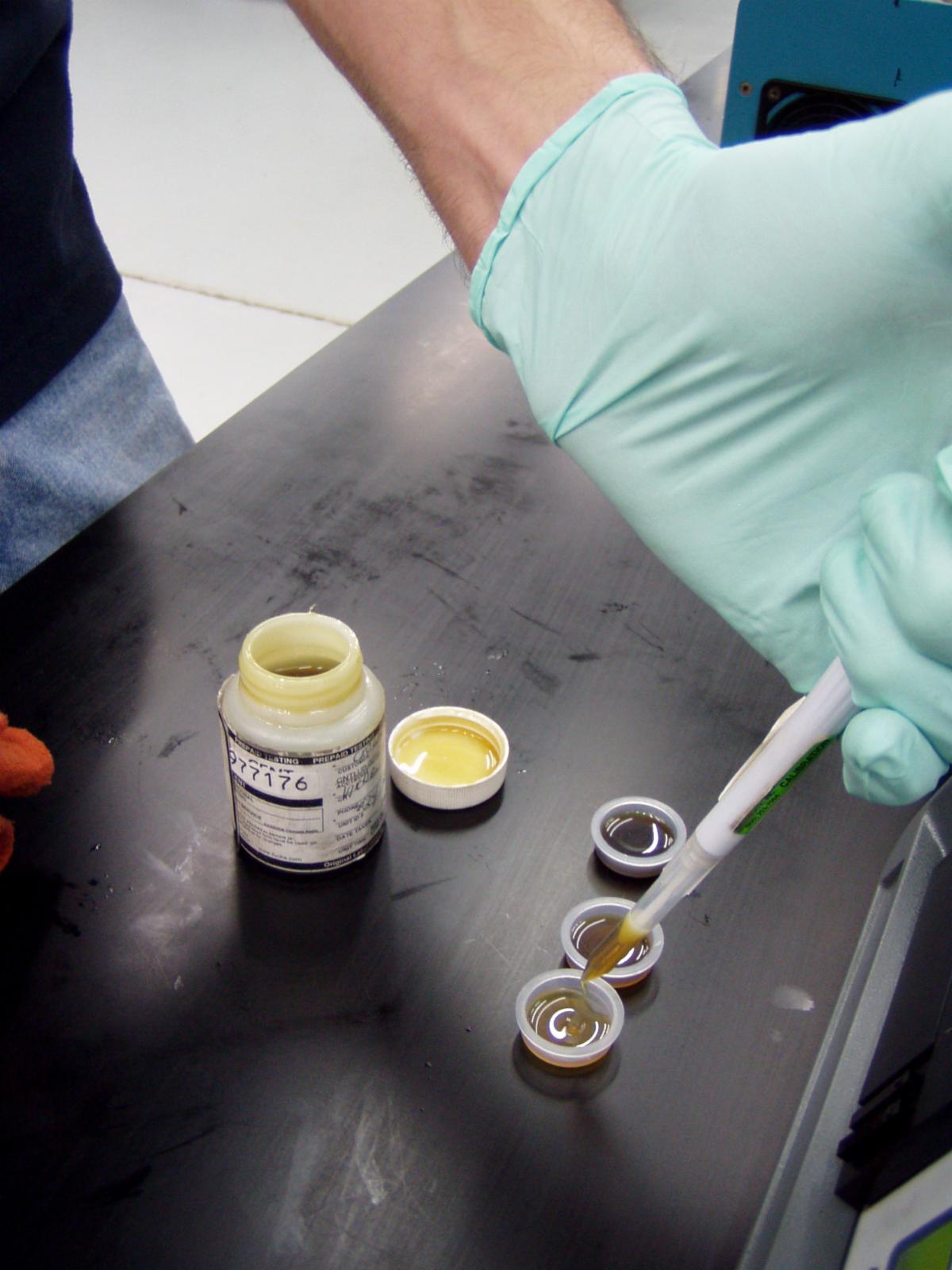
Think of oil analysis as diagnostic lab work for your machinery. Just as blood tests reveal underlying health issues in a patient long before physical symptoms appear, oil analysis provides valuable predictive insight into equipment and lubricant condition. It can identify contamination, lubricant degradation and certain wear conditions before they produce symptoms that are detectable through other condition-monitoring methods.
By sending oil samples to a laboratory for particle counting and ISO cleanliness coding, wear-metal analysis and viscosity testing, reliability engineers can identify several major threats to lubricant and equipment reliability, including:
- Particle Contamination: Microscopic dirt and debris that cause abrasive wear on internal components.
- Water Contamination: Moisture ingress that corrodes metal and destroys the load-carrying film of the oil.
- Cross-Contamination: The accidental mixing of incompatible lubricants, which can alter viscosity, additive performance, filterability or other critical properties.
Controlling these sources of contamination can safely extend drain intervals, reduce lubricant consumption and improve asset availability.
The blueprint for world-class reliability
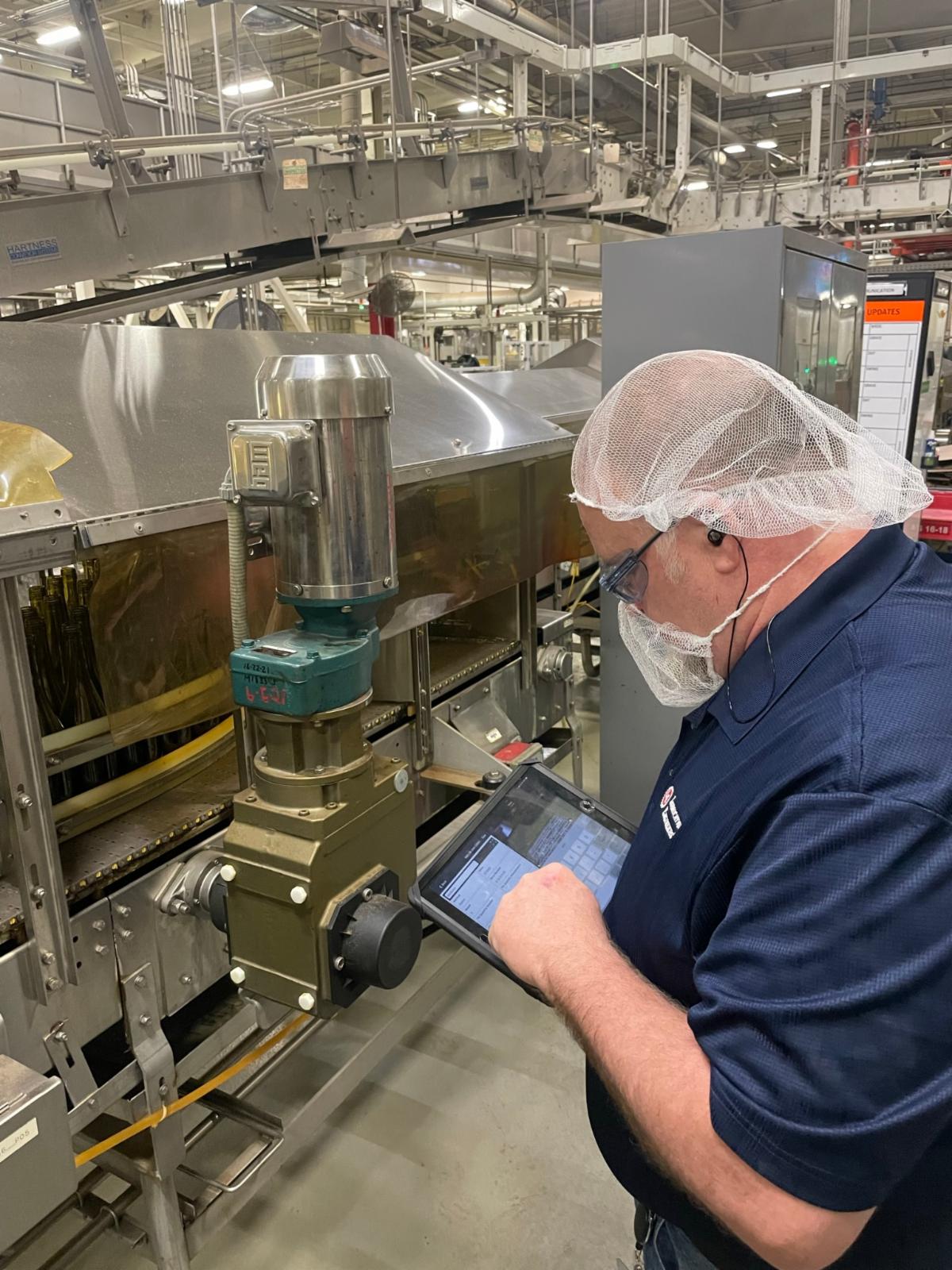
Transforming a facility’s maintenance culture requires more than purchasing premium lubricants; it requires the implementation of a comprehensive reliability architecture. A successful programme rests on the following strategic pillars:
1. Objective audits and baseline assessments
You cannot optimise what you do not understand. A Lubrication Benchmark Audit evaluates current practices against stringent industry standards. It identifies the misapplication of products, such as using oil with the wrong viscosity or additive package, and it provides an actionable roadmap for targeted reliability improvements.
2. Strategic consolidation and selection
Reducing an unwieldy inventory of lubricants streamlines purchasing, storage and handling, and minimises the risk of cross-contamination. By selecting high-performance lubricants appropriate for each application, organisations may reduce operating temperatures and energy consumption while extending lubricant and equipment life.
3. Deployment of reliability hardware
Best-in-class operations invest in modifications that protect the lubricant and simplify visual management:
- Desiccant Breathers: Help control moisture and airborne particulates by reducing contamination before it enters the reservoir.
- Oil Sight Glasses: These allow for at-a-glance visual monitoring of oil levels and condition, enabling rapid detection of cloudiness or water ingress without taking the equipment offline.
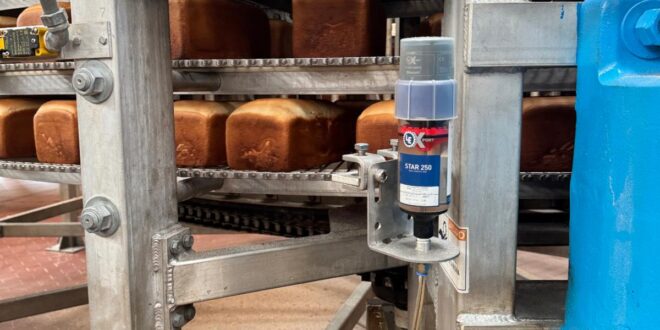
- Automated Delivery Systems: Single- and multi-point automated lubricators provide consistent, precise application, reduce the risks of over- and under-lubrication, decrease repetitive manual tasks and limit maintenance personnel’s exposure to operating equipment.
4. Continuous education and standardisation
A reliable programme depends on proper training, consistent procedures and clear labeling. From storage and handling through final application, standardised practices help ensure that the programme is executed consistently in the field.
The ROI of lubrication excellence
The financial impact of a well-executed lubrication programme is hard to ignore. When an organisation commits to consistent, disciplined lubricant management, the returns can build quickly through longer equipment life, fewer failures and reduced downtime.
Consider the results at Lubrication Engineers’ own manufacturing plant in Wichita, Kansas. By integrating oil analysis, annual filtration, contamination control and lubrication management practices into daily operations, the facility eliminated annual oil changes on four critical gearboxes, reducing yearly gear oil consumption from 61 gallons to zero and avoiding the use of 427 gallons of oil over seven years. The programme also eliminated waste-oil disposal for those gearboxes and freed maintenance personnel to focus on proactive work.
This is not an isolated success. Across various sectors, LE customers with lubrication reliability programmes have achieved measurable results:
- Food Manufacturing: Facilities have documented bearing-failure reductions ranging from 50% to complete elimination in specific applications following lubricant and reliability improvements.
- Power Generation: Facilities have reduced recurring lubrication-related problems, avoided costly downtime and significantly extended lubricant and component service life.
Additional customer results and industry- and application-specific examples are available in the Lubrication Engineers testimonial library.
Secure your strategic advantage
In an increasingly competitive industrial landscape, relying on outdated maintenance practices creates unnecessary risk. Elevating your lubrication practices is a strategic priority for extending asset lifecycles and maximising profitability.
Relying on reactive maintenance to protect critical capital assets can result in inconsistent practices, avoidable failures and lost productivity. Enlisting a knowledgeable, experienced partner can provide the oversight and disciplined execution needed to build a sustainable lubrication reliability programme. With a programme tailored to the operation, organisations can protect valuable assets, improve performance and enable maintenance teams to focus on higher-value reliability objectives.
Mark Montgomery is Vice President, Lubrication Reliability Solutions, Lubrication Engineers.