Engineer News Network The ultimate online news and information resource for today's engineer
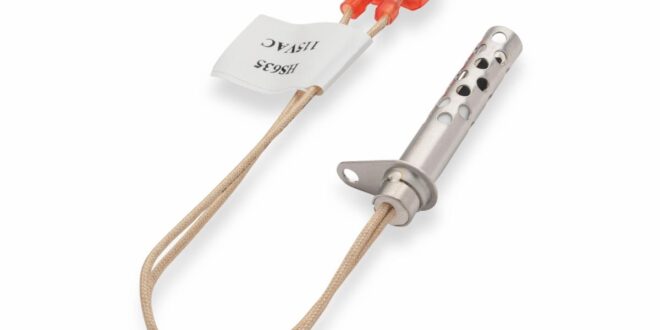
Ian Brown explores how advances in ignition materials are improving the reliability, efficiency, and service life of gas-fired equipment across residential, commercial, and industrial applications. By examining the performance differences between silicon carbide and silicon nitride hot surface igniters, he highlights broader trends in engineering design that prioritise durability, reduced maintenance, and long-term operational efficiency
Across modern gas fired equipment, ignition components operate under conditions that combine extreme temperature swings, electrical demand, and frequent cycling. Whether installed in a residential furnace, commercial kitchen appliance, industrial process heater, or pool heating system, the igniter must perform consistently across thousands of start cycles without failure. Because ignition reliability directly influences system safety, uptime, and maintenance intervals, the material used in the igniter element plays a decisive role in overall appliance performance.
For decades, silicon carbide has been the dominant material used in hot surface igniters. Its ability to heat quickly and reliably made it the industry standard across a wide range of gas appliances. However, as equipment manufacturers continue to push for longer service life, reduced maintenance, and improved energy efficiency, new material technologies have begun to reshape how ignition systems are designed. Among these developments, silicon nitride igniters have emerged as a durable alternative capable of addressing some of the limitations inherent to earlier designs.
Understanding the differences between silicon carbide and silicon nitride is therefore increasingly important for engineers, OEM designers, and maintenance professionals evaluating ignition solutions for modern gas fired equipment.
The role of hot surface ignition in gas-fired equipment
Hot surface igniters function by converting electrical energy into heat through a resistive element. When voltage is applied, the igniter rapidly reaches temperatures high enough to ignite the fuel-air mixture within a burner assembly. Unlike spark ignition systems, which rely on intermittent electrical discharge, hot surface igniters provide a continuous heated surface that initiates combustion once gas flow begins. This approach offers several advantages, including quieter operation, simplified burner design, and reliable ignition under a range of operating conditions. As a result, hot surface ignition has become widely adopted in residential HVAC equipment, cooking appliances, dryers, and many industrial heating applications.
However, the operating environment for these components is demanding. Igniters must tolerate repeated thermal cycling as they heat to ignition temperatures and cool again between cycles. They may also be exposed to vibration, humidity, combustion byproducts, or mechanical handling during installation and maintenance. Over time, these stresses can affect structural integrity and electrical performance. Material selection therefore becomes a critical factor in determining how well an igniter withstands long term operational demands.
Silicon carbide igniters have served as the industry standard for hot surface ignition for more than four decades, valued for their reliable heating performance, manufacturability, and cost effectiveness across appliances such as furnaces, dryers, and cooking equipment. However, as a relatively brittle ceramic material, silicon carbide can be susceptible to cracking from vibration, handling, or repeated thermal cycling over time. As manufacturers seek longer service life and improved durability in demanding operating environments, interest has grown in alternative materials such as silicon nitride.
Silicon nitride: a material designed for durability
Silicon nitride igniters represent a newer generation of hot surface ignition technology that builds upon the electrical heating principles established by earlier designs while improving mechanical durability. Unlike silicon carbide, silicon nitride ceramics possess a microstructure that provides significantly greater fracture toughness and resistance to mechanical stress. This difference allows silicon nitride igniters to better tolerate vibration, thermal shock, and handling during installation or maintenance. The improved strength of the material also allows engineers to design igniters with thinner profiles and faster heat up characteristics.
Another advantage of silicon nitride technology is its ability to reach ignition temperature with lower electrical current. Reduced amp draw can contribute to improved energy efficiency and may allow ignition systems to operate with smaller electrical loads. For appliance manufacturers seeking incremental improvements in energy performance, these characteristics can support broader efficiency goals across the overall system. Silicon nitride igniters also possess the ability to withstand frequent thermal cycling. In applications where equipment starts and stops repeatedly, the igniter element may undergo thousands of heating and cooling cycles over its lifetime. The improved structural resilience of silicon nitride helps reduce the risk of cracking or premature failure under these conditions. Because of these combined advantages, silicon nitride igniters are increasingly considered in applications where durability and long service intervals are priorities.
Where silicon nitride provides the greatest advantage
The durability benefits of silicon nitride are particularly valuable in applications where ignition components experience demanding operating conditions. Equipment that cycles frequently, operates in high vibration environments, or requires extended service intervals can benefit from the material’s enhanced mechanical strength.
Residential and commercial HVAC systems represent one such example. Furnaces and heating units may cycle repeatedly throughout cold weather seasons, subjecting ignition components to constant thermal expansion and contraction. Over time, the ability of the igniter material to resist cracking becomes critical to maintaining reliable system startup.
Commercial cooking equipment presents another demanding environment. Appliances used in restaurant kitchens often experience repeated ignition cycles throughout the day while operating in high-temperature, grease-laden environments. Durability improvements can help reduce downtime and maintenance interruptions in these high-use settings.
Additional opportunities exist across industrial heating systems, pool heaters, paper mills, and oil and gas infrastructure where gas fired equipment must operate reliably in environments that may involve vibration, humidity, or variable temperatures. In these cases, selecting an ignition material capable of withstanding long operating cycles without structural degradation can contribute to overall system reliability and maintenance planning.
For engineers evaluating ignition technology, the decision between silicon carbide and silicon nitride often comes down to balancing initial component cost with long term lifecycle performance. While silicon carbide continues to provide an economical solution for many applications, silicon nitride offers advantages in environments where durability, frequent cycling, or energy efficiency considerations play a larger role.
Manufacturers that produce both technologies can play an important role in helping engineers navigate these tradeoffs. Surface Igniter, a leading manufacturer of hot surface ignition components, produces both silicon carbide and silicon nitride igniters for gas fired equipment across appliance, HVAC, and industrial markets. Because the company works with OEMs across such a wide range of applications, they are often in a position to help design engineers evaluate which igniter material best aligns with the operating demands of a specific system—whether that means the proven reliability and cost effectiveness of silicon carbide or the enhanced durability and efficiency advantages offered by silicon nitride.
Material selection and the future of ignition design
As gas fired equipment continues to evolve, expectations for ignition components are expanding alongside broader changes in appliance design, energy efficiency, and maintenance strategies. Equipment manufacturers are increasingly focused on reducing service interruptions, extending product lifespans, and improving overall system performance under a wider range of operating conditions.
In this environment, ignition material selection becomes more than a simple component decision. It becomes part of a larger engineering strategy that considers how appliances will be used, how often they will cycle, and what kinds of environmental stresses they will encounter over years of operation. The growing availability of advanced ceramic materials gives designers greater flexibility to match ignition technologies to the real world demands of their systems.
Silicon carbide remains a dependable and widely used ignition material with a long track record across many applications. At the same time, silicon nitride is expanding the possibilities for ignition systems operating in environments where durability, resistance to mechanical stress, and longer service intervals are critical priorities. By understanding the strengths of each material, engineers can make more informed decisions about how ignition technology fits into the broader reliability and performance goals of modern gas fired equipment.
Ian Brow is President of Surface Igniter LLC.