Engineer News Network The ultimate online news and information resource for today’s engineer
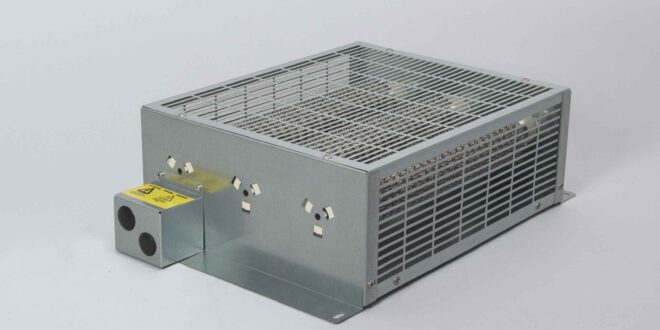
From railways to renewable energy to marine applications and motor control, resistors are an essential component of many electrical and mechanical systems. But failing to keep your resistors in good condition can threaten their reliability, resulting in reduced functionality and safety issues. Here, Mike Torbitt offers advice on how to extend resistor lifespan
Resistor technology is constantly evolving, with innovation in materials and design leading to improved performance and new industry applications. Without these components, many of the renewable technologies needed to meet net-zero targets would be unviable. For example, dynamic braking resistors (DBRs) support energy output in renewable applications such as tidal power, wind turbines and motorised solar panels.
Damaged resistors strain the system, reducing efficiency and lifespan, and may fall outside their specified tolerance, impairing electricity regulation. Reduced resistance can cause voltage spikes or circuit failure, which in high-power applications may lead to electric shocks or fires.
Understanding the key reasons behind resistor degradation allows you to safeguard your application against them and extend resistor lifespan.
Keeping dry
Data from HSB shows that moisture is responsible for 17.4% of electrical failures, making it the second biggest cause after loose connections. Moisture presents a particular challenge in tidal and maritime applications, as the chlorides present in sea water can corrode and damage the resistor.
Choosing the right material protects resistors from saltwater corrosion. 316-grade stainless steel, with over 10.5% chromium, resists chlorides and is also ideal for systems exposed to other harsh chemicals like chlorine and acids.
Electrical enclosures help reduce moisture exposure. The IP rating system indicates dust and liquid protection, with a higher second digit providing greater liquid defense. Corrosion can also occur in land-based applications, so resistors should be stored clean and dry before use.
Handling the heat
When a resistor becomes coated in dust or dirt, it is more prone to overheating due to a compromised ability to dissipate heat effectively. Overheating can damage the resistor’s internal components and presents a fire risk.
This thermal stress can in turn lead to mechanical stress, wherein the resistor becomes worn due to excessive strain. Mechanical stress can be decreased by avoiding excessive bending or tension on resistor leads when assembling the system.
Another way of preventing overheating is by making sure your resistor’s cooling system is up to scratch. The principal methods of dissipating heat are water cooling and convection cooling, which is also known as air cooling.
The two types of convection cooling — natural and forced convection — require minimal maintenance and are cost-effective to run. However, the bulkiness of the fans used mean they are not suitable for space-limited applications. Additionally, a fan’s reliance on ambient temperatures reduces its effectiveness in warmer environments, putting resistors at greater risk of overheating.
Water cooling not only requires less space and energy, but it also offers a more efficient solution for dissipating heat in applications with high continuous power requirements. Since liquid has a higher density than air, it also has a higher capacity for carrying heat.
Maintenance matters
Equipping resistors with protection is essential, but proactive maintenance is equally important, as even protected systems may accumulate dust and particulates.
Scheduling regular inspections of your setup allows you to identify early signs of moisture, dust or dirt, and mitigate any risks to the lifespan and performance of your resistors. The proactive maintenance routine should include removing any particulates that have accumulated on the resistor, using a suitably designed brush or air cleaning method. Additionally, you should continually monitor the operating environment and temperature of your application to ensure that the protection you have put in place is effective in safeguarding against damage.
Particularly important for custom resistors that employ a unique design or engineering technique, the financial and time investment of recommissioning, designing and delivering a replacement is something end-users wish to avoid if at all possible. Cressall offers a complementary maintenance service with the purchase of all of its off-the-shelf and custom resistors, extending their working life and overcoming the hassle of replacing and giving its customers peace of mind that their resistor will remain operational for years to come.
Ignoring the need to maintain resistors not only worsens their performance but can affect the safety and functionality of the entire system. Putting the right systems in place and undertaking regular proactive maintenance ensures resistors work effectively now and well into the future.
Mike Torbitt is managing director of resistor manufacturer Cressall Resistors.