Engineer News Network The ultimate online news and information resource for today’s engineer
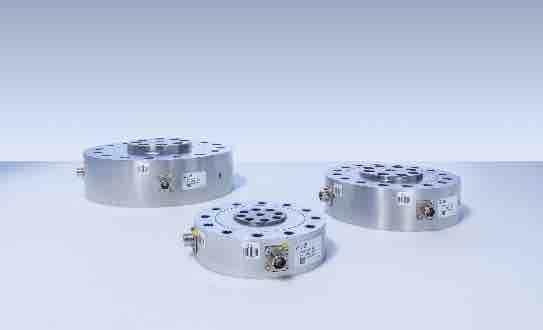
HBK has created a robust force sensor to provide long-term stability and exceptionally precise measurement results, even in harsh applications and difficult environments where traditional load cells would struggle to function reliably – the U10F.
Featuring flange connections on both sides, the sensor is easy for engineers to install without the need for any special tools.
Compact dimensions and the availability of transducer electronic data sheets (TEDS) facilitate the setup of measurements even further.
The sensor’s built-in technology is protected against external influences, including dirt and moisture, thanks to the hermetically sealed stainless-steel housing.
The U10F series fixed-cable version meets requirements for the IP68 degree of protection – and has been tested for shock and vibration resistance, as well as compliance with EMC international standards.
U10F force sensors are available with several capacities, connection plugs or cable options so they can be adapted to the measuring task at hand.
A double bridge variant is also available, making the U10F a safe choice for classical test-bench tasks, as well as production applications like press monitoring or other measurement tasks in production.