Engineer News Network The ultimate online news and information resource for today's engineer
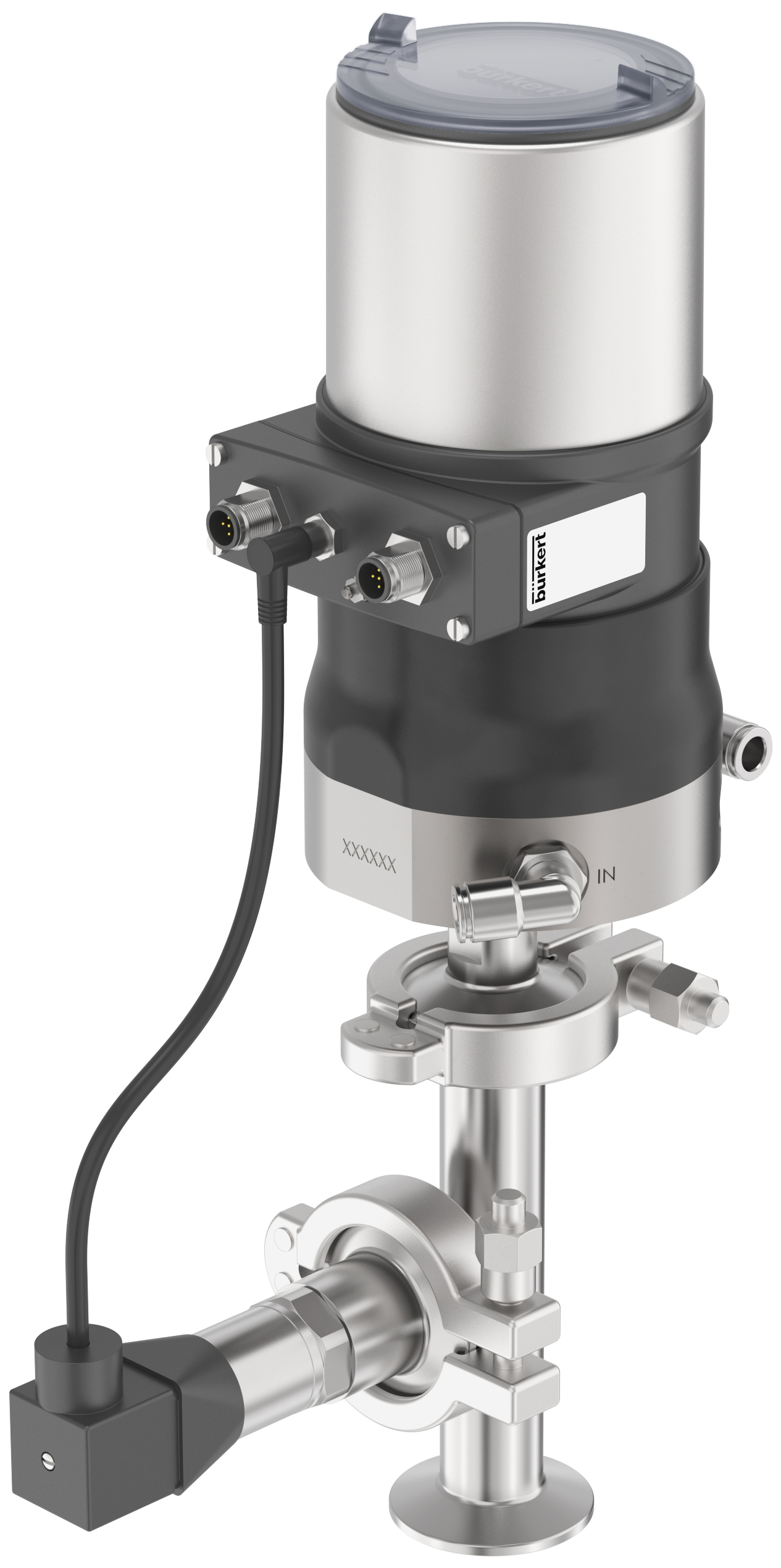
Flow control specialist Bürkert has released a new system that optimises gas pressure control precision for hygienic processes. Designed for food and beverage producers as well as pharmaceutical and bio-pharmaceutical manufacturers where product quality and safety are critical, Bürkert’s new Type 8880 system has improved gas pressure control with ten-times faster response. The automatic, integrated pressure control system provides a response time lower than 200ms (milliseconds).
When filling or emptying tanks containing food and beverage, pharmaceutical or biopharmaceutical products, constant overpressure is often required to safeguard product quality. For many liquids, the atmosphere in the tank head must be carefully regulated to optimise product quality and ensure safety.
The pressure drift problem
For fermentation processes in the production of medicines and vaccines, CO₂ is released and gases such as N₂ or O₂ are added. To guarantee final product quality, optimum gas pressure control is essential, particularly as the fermentation process is time intensive and yields are relatively low. Similarly, to produce carbonated water, accurately maintaining the specified level of CO₂ within the storage tanks is crucial to ensure quality. These scenarios are common across all pressurised and filling applications, as well as operations involving inert gas tank storage.
To monitor and control pressure, often a conventional tank pressure controller with multiple valves and sensors plus a separate control device are used. However, distinct components, which each have varying levels of performance according to their assigned role, create a time lag that can also be exacerbated by delays resulting from communications integration. The result is that the control system can take more than two seconds to process the signals, and across this timespan, tank pressure can drift significantly enough to impact the process before the system reacts.
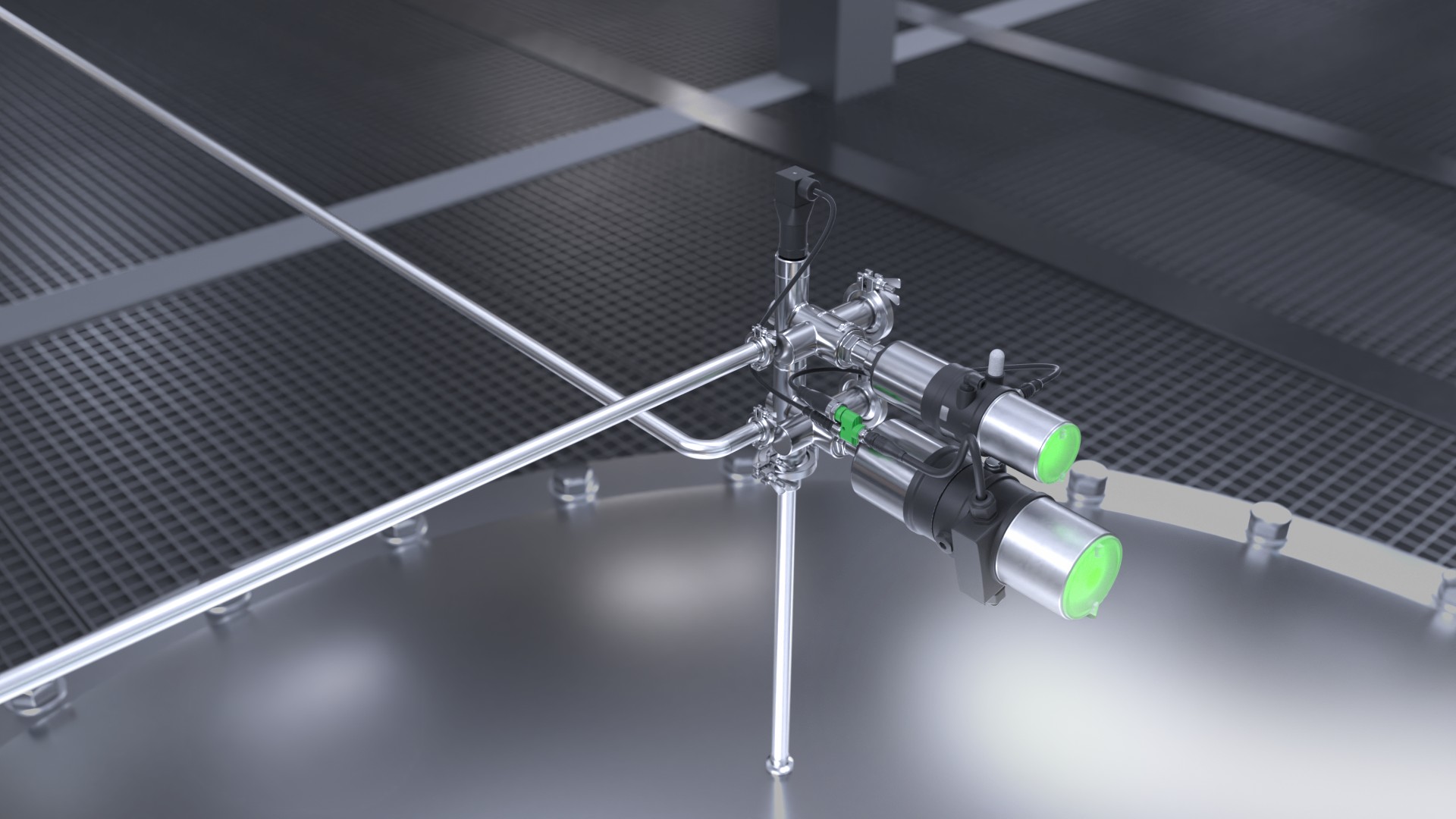
200ms response time
Now, Bürkert’s new Type 8880 compact pressure control system reduces this response time to less than 200ms, making it ten times faster to maximise process performance and reliability. The system comprises two control valves, operating in combination with a pressure transmitter in a closed control loop, maintaining constant tank pressure during filling and emptying, or during fermentation processes.
The automated solution also maintains the ideal overpressure in every situation even if the product level is constantly changing, the Type 8880 system constantly adapts to maintain the precise pressure. Fine pressure adjustment also optimises precise volume dosing.
Within hygienic cleaning processes, proportional valves do not generally withstand aggressive Clean-In-Place (CIP) media, which wears away the lubricant, reducing valve performance and reliability. This wear can also cause unpredictable valve operation, resulting in a higher maintenance workload. Typically, wear on a conventional tank pressure controller with a single valve can require replacement up to six times a year. This also involves downtime and increased costs for replacement and repair.
However, the Type 8880 pressure control system is designed to be used within CIP and Steam-In-Place (SIP) hygienic processes, as well as aggressive environments. This maintains performance reliability, improves maintenance efficiency, and helps to raise productivity. Several variants are available according to the hygiene requirement, including self-draining, CIP and SIP capable, electropolished surface, FDA approval, and dead space reduced.