Engineer News Network The ultimate online news and information resource for today's engineer
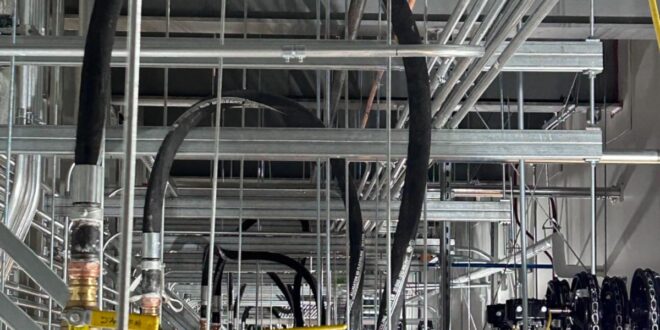
The rapid expansion of mission-critical data centres is placing mechanical infrastructure under a new kind of pressure: not just to scale quickly, but to carry the weight of the digital economy responsibly. While early development cycles prioritised capacity and deployment timelines, today’s environment requires a more measured approach. Operators, engineers, and developers are now confronting a fundamental challenge: how to scale infrastructure without proportionally increasing environmental impact. Lisa Phocas reports
The rapid expansion of mission-critical data centres is placing mechanical infrastructure under a new kind of pressure: not just to scale quickly, but to carry the weight of the digital economy responsibly. While early development cycles prioritised capacity and deployment timelines, today’s environment requires a more measured approach. Operators, engineers, and developers are now confronting a fundamental challenge: how to scale infrastructure without proportionally increasing environmental impact.
This shift is reshaping how mission-critical mechanical systems are designed. Having a sustainable system, that is, one that can function as intended for a long time, is no longer a secondary consideration or a future goal. The need for more sustainable solutions is actively influencing decisions around system architecture, material selection, cooling strategies, and lifecycle planning. As a result, ‘building smarter’ for data centers increasingly means building with a long term perspective, where efficiency, durability, and transparency are embedded into the infrastructure itself.
Designing for performance, not just capacity
Energy intensity has become one of the most critical factors in data center design. With AI workloads increasing rack densities, thermal loads are rising sharply, placing greater strain on cooling infrastructure. Engineers are responding by focusing more closely on system level efficiency. This focus is especially evident within chilled water and condenser water loops, where pressure optimisation, flow control precision, and thermal transfer performance play a central role. Reducing pump energy and minimizing pressure losses are essential to maintaining manageable energy consumption over time.
At the same time, durability has emerged as a defining aspect of sustainable design. In mission-critical environments, reliability is inseparable from environmental performance. Every system failure, leak, or unplanned shutdown carries embedded energy and material consequences. Infrastructure is therefore being specified with an emphasis on long service life, reduced failure points, and predictable operation over decades, not just years. This shift reflects a broader recognition that sustainability is not achieved through isolated upgrades, but through systems that perform consistently and efficiently throughout their lifecycle.
Rethinking cooling for high density environments
Cooling infrastructure sits at the heart of data centre performance, where even small gains in efficiency can ripple across the entire facility. As computing densities increase, traditional air cooled approaches are often insufficient to manage the resulting heat loads. In response, many facilities are transitioning toward liquid cooling strategies, such as direct-to-chip and in rack systems. These approaches remove heat closer to the source, reducing energy losses and improving overall thermal efficiency. By targeting heat at its origin, liquid cooling minimises the need for energy intensive air circulation and enables more precise thermal management.
However, the effectiveness of these systems depends on how well the entire cooling loop is designed and integrated. Chilled water systems, condenser loops, and heat exchangers must operate as a cohesive system rather than as isolated components. Proper valve sizing, accurate flow control, and minimsed pressure drops all contribute to lowering pump energy demand and enhancing thermal performance. Water usage is also becoming an increasingly important consideration. As liquid cooling expands, tracking water use intensity, system losses, and closed-loop efficiency is essential, particularly in regions where water availability may constrain future development.
Ultimately, optimising cooling infrastructure is not just about increasing capacity. It means designing systems that balance energy efficiency, water management, and long term reliability in a tightly integrated framework.
Reliability as a sustainability strategy
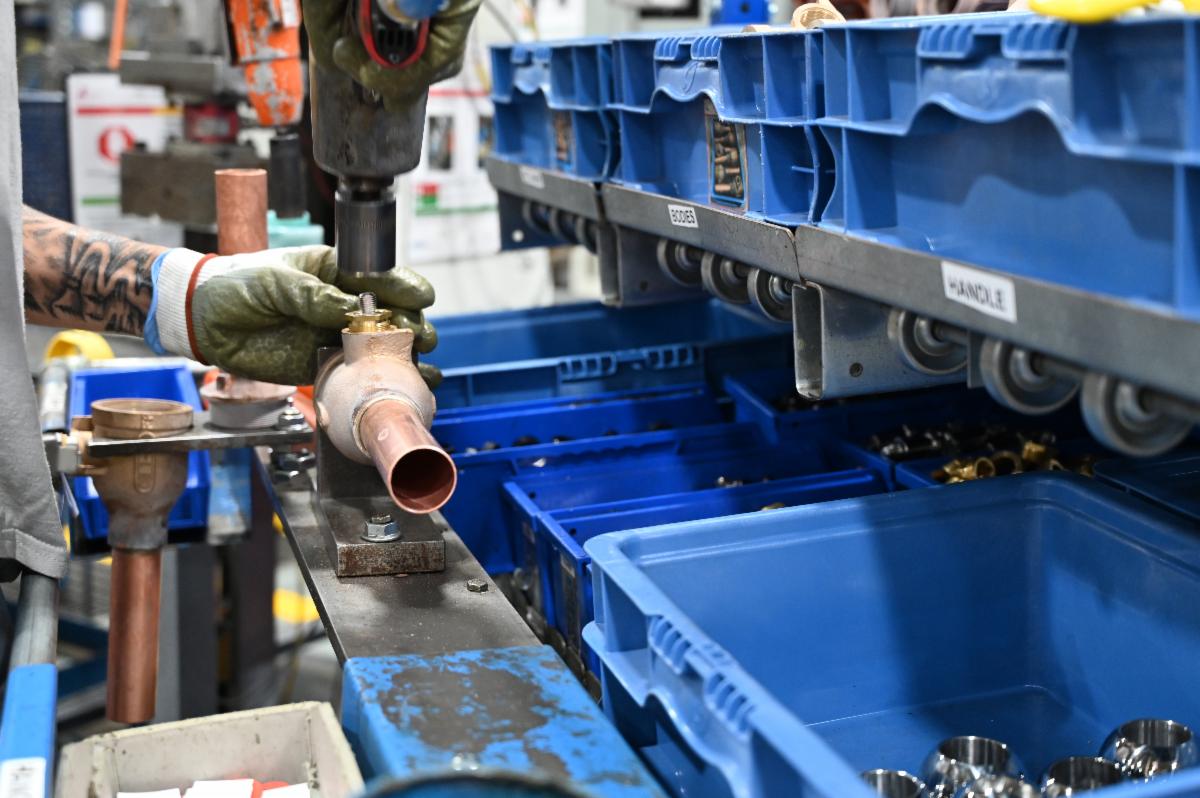
Failures in mechanical infrastructure, whether due to leaks, material degradation, or improper installation, introduce a cascade of environmental impacts. These include wasted energy, material replacement, operational disruptions, and increased maintenance demands. Over time, these inefficiencies compound, undermining both performance and sustainability goals.
As a result, lifecycle reliability is increasingly being treated as a measurable sustainability metric. Factors such as failure rates, maintenance frequency, and replacement cycles are now understood to influence not only operational costs but also embodied carbon and material waste. This perspective reinforces a simple but often overlooked principle: the most sustainable product is the one that does not need to be replaced. Designing for longevity through durable materials, engineered sealing solutions, and reduced failure points helps minimize environmental impact while supporting continuous operation. For data center operators, this means prioritising infrastructure that delivers consistent performance over extended periods, rather than focusing solely on upfront efficiency gains.
Installation efficiency and the hidden cost of waste
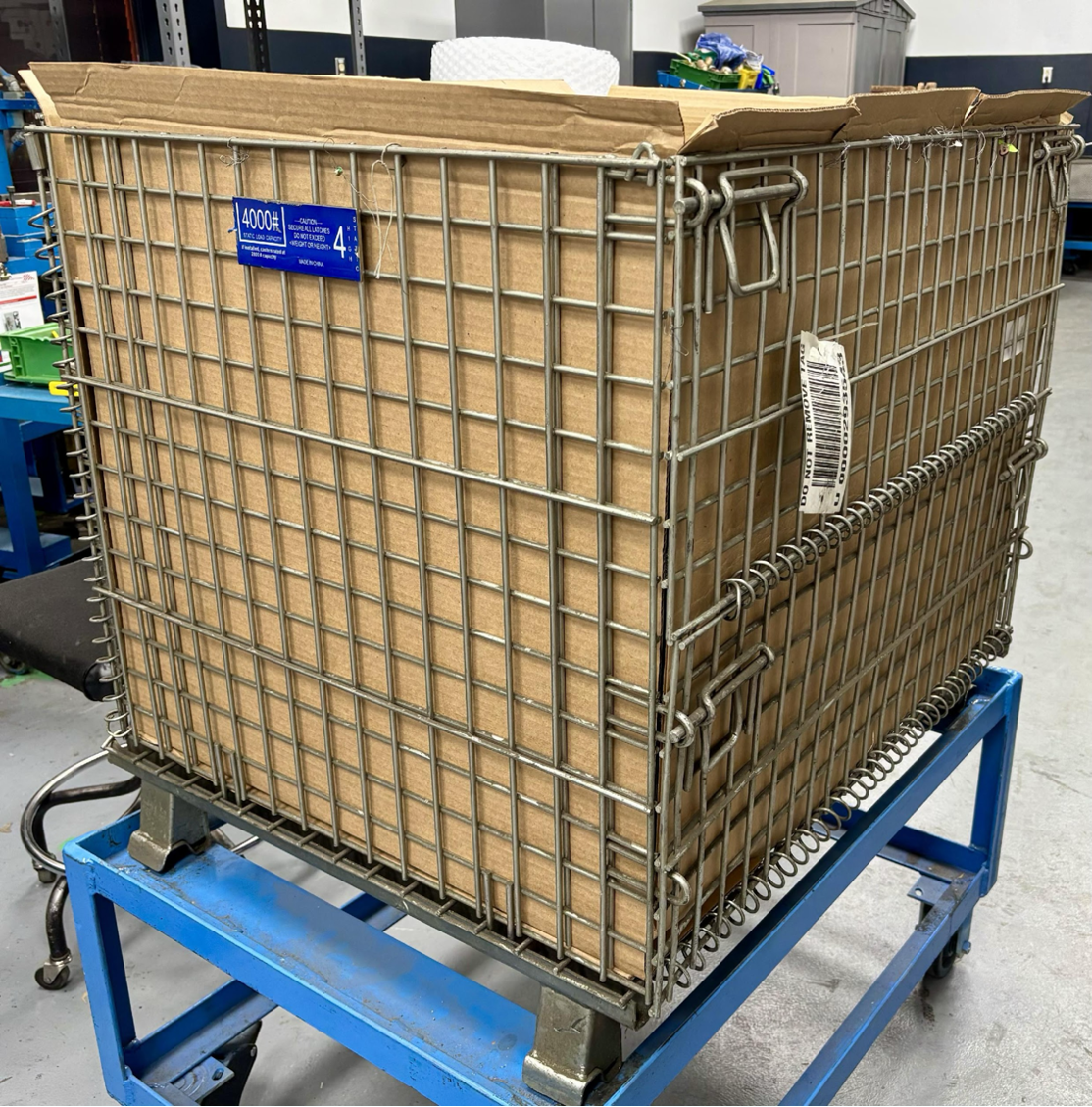
While much of the conversation around sustainability focuses on operational performance, construction and installation practices also play a significant role in overall impact. Traditional joining methods, such as brazing or welding, can introduce variability in the field, leading to failed joints, rework, and material waste. These inefficiencies not only delay project timelines but also increase labor demands and generate unnecessary scrap.
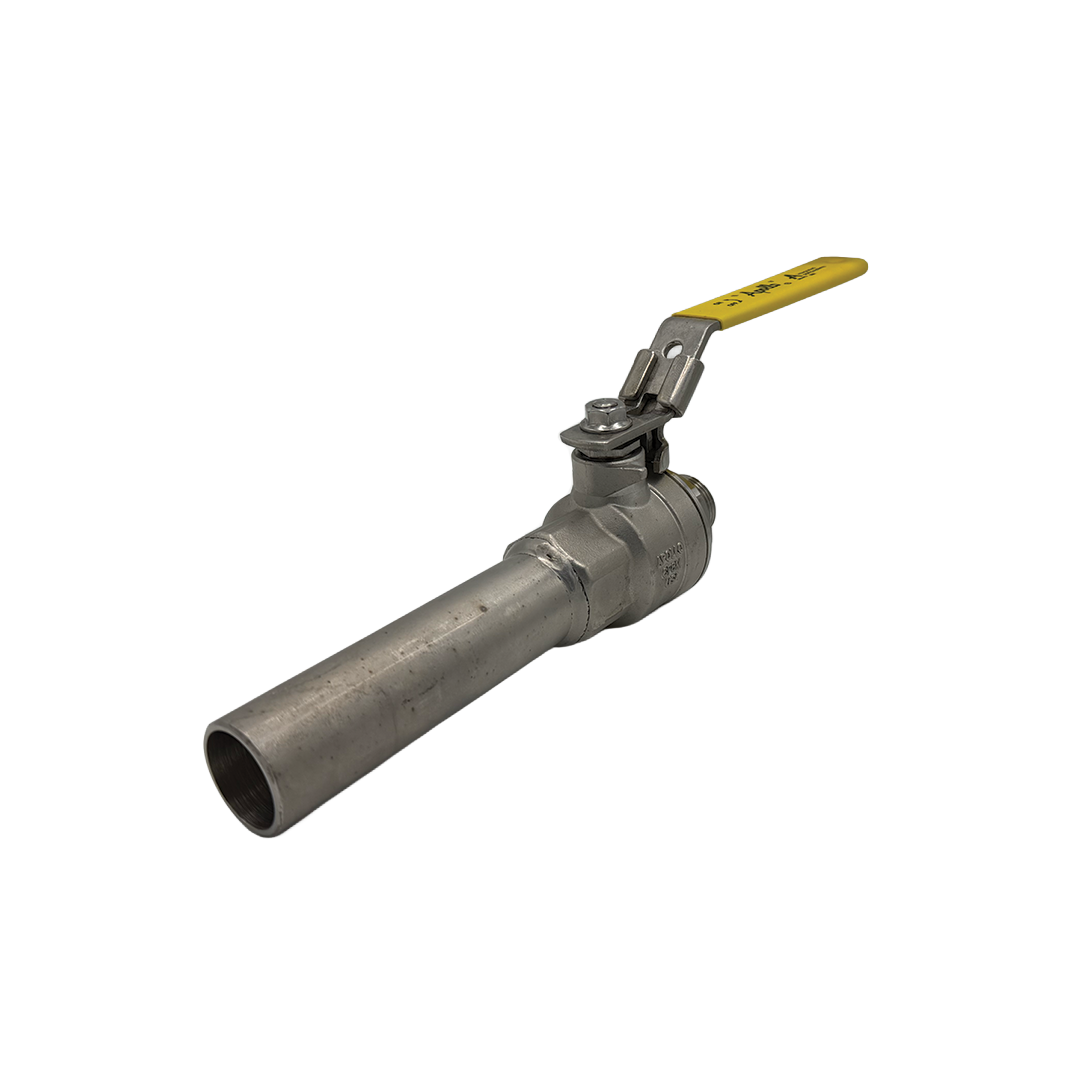
Press connection technologies offer a more controlled and repeatable alternative. By eliminating the need for open flame and reducing the number of installation steps, press systems enable faster and more consistent assembly. This is an advantage in fast paced data center construction environments. Beyond speed, these systems contribute to sustainability by reducing onsite emissions, minimising rework, and lowering material waste. Because connections are engineered and repeatable, the likelihood of installation errors is significantly reduced, decreasing the need for corrections and replacements.
Over the long term, press systems also support leak prevention, which is particularly critical in water based cooling environments. Engineered sealing technologies help limit potential failure points, protecting uptime while reducing water loss and energy waste. These practical considerations highlight an important truth: sustainability is often achieved through incremental improvements in how systems are installed, not just how they are designed.
Integrating transparency and measurable impact
As sustainability and ESG expectations continue to evolve, transparency is becoming a defining feature of infrastructure decision making.
Data center operators are increasingly required to quantify and report the environmental impact of their operations. This shift is driving greater interest in product level data, including metrics related to embodied carbon, material sourcing, and manufacturing processes. Tools such as Environmental Product Declarations (EPDs) are gaining traction as a way to provide standardized, verifiable insights into the environmental footprint of individual components. Often described as a kind of ‘nutrition label’ for building products, EPDs summarise impacts such as embodied carbon, resource use, and manufacturing in a standardised format that can be compared across options. These tools are increasingly being used to support ESG reporting by providing product-level data on embodied carbon, material sourcing, and manufacturing processes. For many data center projects, sourcing mechanical components from domestic manufacturing facilities also helps lower transport-related embodied carbon while improving lead times and supply chain resilience.
On the manufacturing side, companies like Aalberts IPS are also working to shrink the footprint of their own operations by reducing energy and water use in production facilities, tracking and reporting emissions, and increasing recycled content in the metals they source. That dual focus of more efficient buildings and lower-impact manufacturing gives owners greater confidence that the infrastructure behind their data centers aligns with their broader sustainability goals.
At the infrastructure level, key metrics for ESG performance are also becoming more clearly defined. Energy efficiency within cooling systems, water usage, lifecycle durability, and material transparency are emerging as core indicators of sustainable performance. As owners dig deeper into material transparency, high recycled content in valves, fittings, and piping is becoming another lever for reducing embodied impact without sacrificing performance. These metrics allow operators to move beyond high-level commitments and toward measurable, data driven improvements.
For many operators, partnering with manufacturers that can support these energy, water, and durability metrics, backed by clear documentation, is becoming an essential part of meeting ESG commitments.
Within this evolving landscape, Aalberts IPS plays a role as a provider of integrated piping and hydronic solutions designed to support efficient, reliable system performance. By focusing on optimised flow control, reduced pressure loss, and durable connection technologies, the company’s approach aligns with the broader industry emphasis on long term efficiency and lifecycle reliability. At the same time, ongoing efforts to provide clearer environmental data reflect the growing importance of transparency in infrastructure selection.
For data center owners and engineers, those priorities converge most clearly in how cooling and distribution systems are assembled in the field. Aalberts IPS’ press connection technologies are engineered to reduce installation waste and rework by eliminating open flame, minimizing the number of connection steps, and providing repeatable, leak-resistant joints across large mechanical rooms. Press technologies offer a more repeatable approach to installation, helping teams reduce waste, limit rework, and assemble mechanical rooms with the consistency of a well-orchestrated system rather than a patchwork of field variability. By cutting scrap, limiting callbacks, and supporting leak-free operation over the life of the facility, these systems help ensure that sustainability targets are built into the mechanical infrastructure from day one rather than treated as an add-on.
Building for decades, not deployment cycles
The future of data center infrastructure will not be defined solely by how quickly facilities can be brought online, but by how effectively they perform over time. As sustainability becomes inseparable from operational success, the industry is being challenged to rethink what it means to build responsibly. Efficiency must be engineered into every system. Reliability must be treated as a sustainability strategy, installation practices must minimize waste, and transparency must enable better decision making at every stage of the lifecycle.
In this context, ‘building smarter’ goes beyond a single innovation or technology. It is a mindset that prioritizes long term performance, measurable impact, and continuous improvement. For mission-critical infrastructure, that mindset will ultimately determine whether the next generation of data centers can meet both the demands of a digital world and the constraints of a finite one. The infrastructure decisions data center teams make today will lock in energy and water demand for decades to come, underscoring why sustainability and ESG considerations can no longer sit on the margins of mechanical design.
Lisa Phocas is the Director of Sustainability at Aalberts IPS.