Engineer News Network The ultimate online news and information resource for today's engineer
Rob DeHaan explains how modern chemical manufacturers use sealed, automated bulk material handling systems to safely move powders and granules while protecting product integrity and operator safety. It also highlights the importance of material-specific system design, containment, and environmental controls for improving efficiency, compliance, and reliability
Powder and granule handling in chemical manufacturing has always required precision, but today’s production environments elevate that requirement. Materials vary widely in their bulk densities, flow properties, reactivities, and contamination risks. Many behave unpredictably when exposed to humidity or oxygen, while others present combustible dust hazards that demand verified protection. Designing a system that moves these materials reliably is no longer just a mechanical problem but a multi-variable engineering challenge shaped by material science, process control, and environmental safety.
What defines smart bulk material handling today is not the presence of new equipment types but the ability to engineer material appropriate, sealed, and automated systems that protect operators, maintain product integrity, and ensure consistent throughput. Achieving this requires a deeper understanding of how powders behave, how conveying environments influence that behavior, and how containment and control must adapt to the material, not the other way around.
Understanding material behaviour: the foundation of system design
Engineering a bulk material handling system for chemical processing begins with a single question: what is the material going to do once it enters the equipment? Particle size and shape, cohesiveness, hygroscopicity, and bulk density directly influence whether a material will move freely, form agglomerations, degrade under mechanical stress, or absorb moisture during conveying. Even the packaging format, such as kraft bags, drums, totes, or bulk bags, affects how predictably material feeds into the system.
Flow mode also matters. Batch operations require tight control on dosing and isolation, while volumetric or continuous processes need steady-state movement that prevents starvation or surging. Intermittent flow behaves differently than uninterrupted flow, and each scenario places unique demands on receiving equipment, conditioning stages, and conveyor selection.
Designing with these material properties in mind helps ensure stability across the line. Materials that generate dust clouds during emptying require sealed transitions rather than open discharges. Powders that form hard agglomerates may require conditioning before conveying. Oxygen-reactive compounds need inert gas environments to prevent oxidation or decomposition. These considerations are technical, but they are foundational. Without them, even well built equipment will underperform. Gaining this level of insight almost always starts with detailed, upfront conversations with plant teams about material characteristics, packaging, flow modes, and process constraints.
Containment and atmospheric control: where safety and product integrity converge
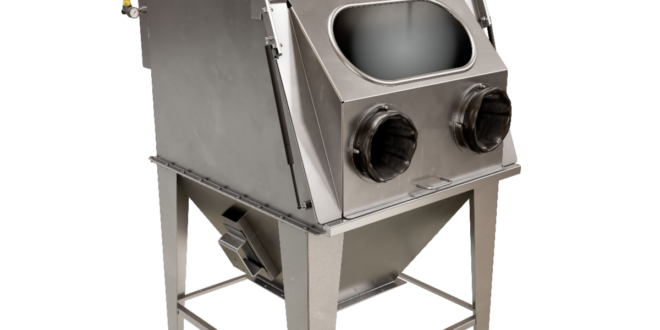
The point where operators interact with raw material is also the point where risk is highest. This is why modern chemical plants increasingly rely on glove box interfaces that create a sealed environment for opening and emptying raw material packages. These systems are not simply barriers; they are engineered environments with defined atmospheric conditions.
When a hazardous or oxygen-sensitive material is loaded into the glove box, the chamber is sealed and purged, often with nitrogen, until oxygen levels drop to a safe threshold. Only then does the operator receive a visual signal indicating that it is safe to open the package. Once emptied, the material moves into a closed conveying path, and the chamber is returned to the ambient atmosphere so the operator can remove the empty packaging.
This cycle establishes a predictable, repeatable method for isolating materials from both operators and the external environment. For materials that react with oxygen, the purge process is essential to prevent unwanted chemical reactions. For materials that are hazardous to people, containment eliminates dust exposure and airborne particulates. In both cases, predictable atmospheric conditions protect product integrity and minimise cross-contamination risks.
Environmental classification further shapes design. In facilities where combustible dusts or volatile compounds are present, explosion proof controls and classified area rated components become mandatory. Matching controls and components to the correct area classification is fundamental to protecting operators, preventing ignition of combustible dusts, and maintaining compliance with plant and regulatory safety requirements over the life of the system. Engineering compliance requires more than simply meeting code; it requires designing systems that will continue to behave safely over time as materials, conditions, and processing steps evolve.
Sealed conveyance and mechanical design: designing for gentle, predictable movement
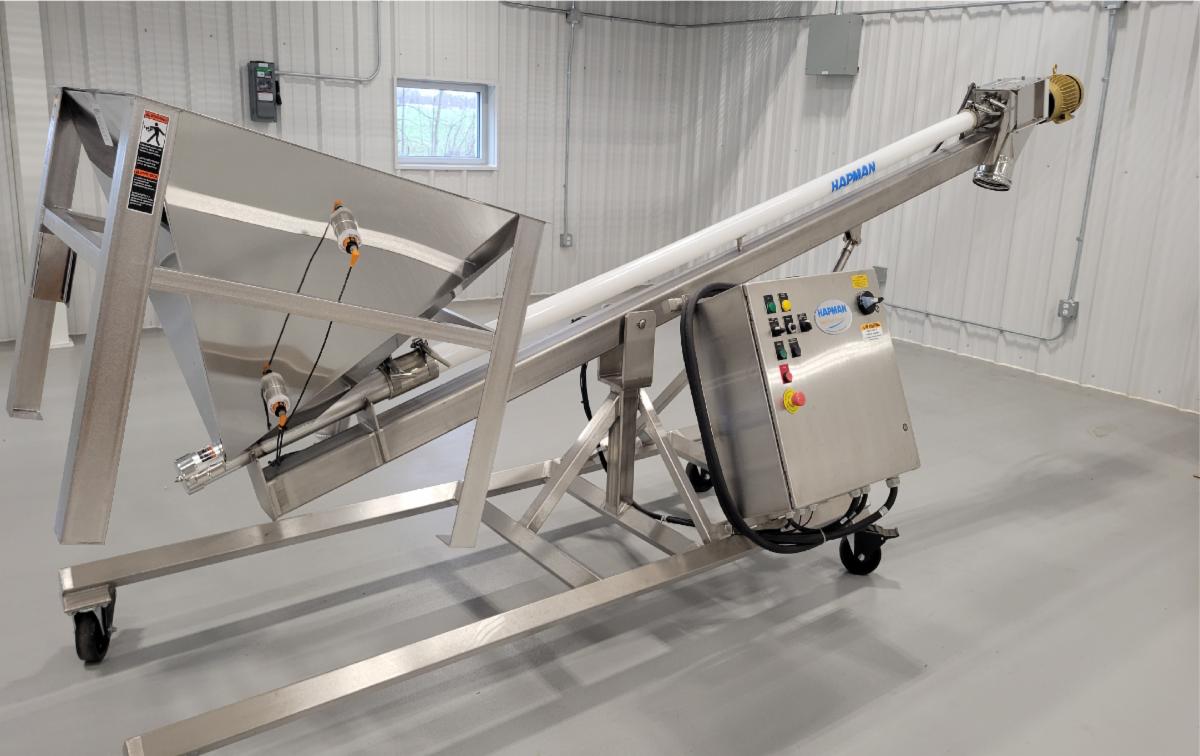
Once material leaves the unloading zone, the method of conveyance has a direct impact on its quality and the cleanliness of the plant environment. In many chemical facilities, bulk bags are still discharged directly into open vessels, a method that moves large quantities quickly but releases dust, causes material loss, and introduces safety hazards. Shifting bag handling to floor‑level, fully enclosed discharge points improves plant air quality by containing airborne dust, vapour, and odor, while also reducing operator exposure and the likelihood of flammable dust or vapor ignition. Enclosing the conveyance path eliminates these concerns and creates a more controlled environment for sensitive materials.
Tubular drag conveyors are frequently selected for their ability to move powder gently and consistently. They operate at low speeds and move material en masse rather than accelerating individual particles, often below forty feet per minute. This combination of slow velocity and high torque reduces particle degradation, preserves blend uniformity, and minimises segregation. Because the system is sealed, powders remain isolated from humidity or oxygen, and the line itself can be purged with nitrogen when inert conditions are required.
Mechanical considerations play a significant role in performance. Lower speeds decrease frictional heat, lowering the risk of ignition when handling combustible dust. Higher torque enables the conveyor to move material with less horsepower, improving energy efficiency. Throughput is dictated by conveyor diameter, which can range from three to twelve inches depending on the volume and physical properties of the material. These engineering details are not incidental. They define operational stability and long term reliability.
Automation, compliance, and the need for engineering adaptability
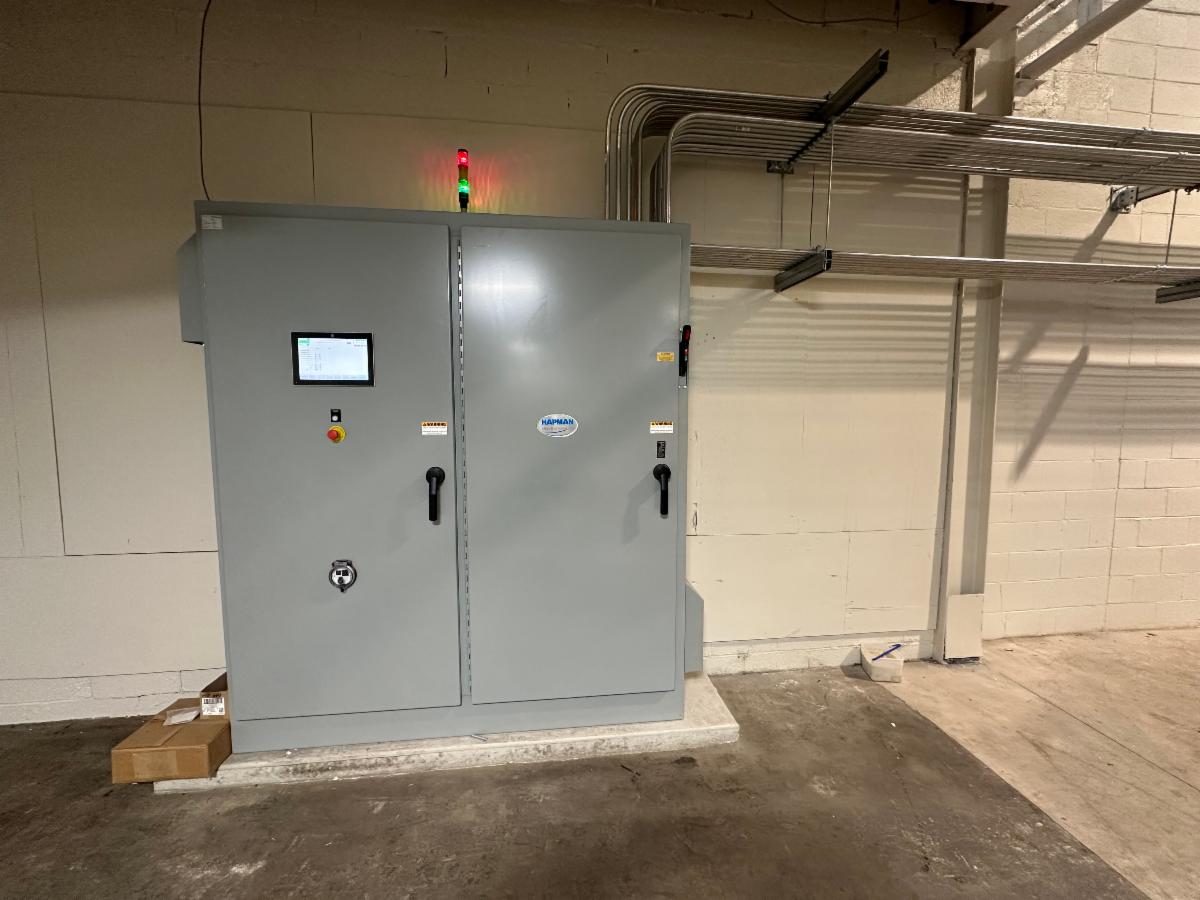
Automation has become a central component of chemical processing, especially where manual weighments or bag counting introduce variability or ergonomic strain. Automated batching, recipe control, and PLC-driven sequencing offer consistent dosing and batch integrity. Modern systems integrate easily into plant controls through hardwired connections or Ethernet links, reducing commissioning time and improving interoperability across legacy and new equipment.
High purity or contamination sensitive processes require even greater control. Dust-tight construction prevents particulate migration, while inert gas purging safeguards reactive powders. Surface finishes matter. Polished internal and external surfaces simplify wipe-down cleaning while clean-in-place configurations support validated washdown processes. Material compatibility, from stainless steel to specialised plastics and elastomers, ensures equipment durability when handling corrosive or chemically aggressive powders. The ability to specify different steels, plastics, and elastomers to coexist with diverse chemical profiles is often what allows a system to meet both performance and compliance requirements in a given facility.
Compliance is not only about meeting regulations but about understanding the operational realities within each facility. Facilities vary widely in layout, hazard classification, material profile, and operator workflows. Effective system design requires comprehensive discussions that uncover these variables early. Those discussions help clarify whether the system will serve a midstream or stand‑alone process, how steady or intermittent the required flow will be, and whether batch or volumetric operation best aligns with the plant’s objectives. Without this depth of understanding, even well-engineered components may not align with a plant’s actual process conditions.
Rather than applying one size fits all designs, Hapman adapts system architecture to match material properties, safety demands, and operational constraints. Their emphasis on dust-tight, sealed conveyance, inert purging capability, washdown ready options, and flexible control integration aligns closely with the requirements of modern chemical processing environments.
Engineering best practices for powder handling: a technical synthesis
Smarter bulk material handling in chemical manufacturing ultimately hinges on accurately anticipating how powders behave and designing systems that account for those behaviours at every stage. Particle dynamics inform equipment selection. Environmental conditions, including oxygen exposure, humidity levels, and classified-area requirements, influence containment strategies. Mechanical design choices establish whether material moves gently, predictably, and without degradation. Control interfaces, automation architecture, and materials of construction determine whether the system remains stable, hygienic, and compliant over time.
These practices share a single underlying principle: the equipment must reflect the realities of the material and the process, not the reverse. When systems are engineered to protect operators, preserve material integrity, and establish controlled conveying environments, they enable safer, more reliable, and more efficient production. As chemical manufacturing continues to evolve toward higher purity standards, stricter safety requirements, and more specialised powders, this engineering centered approach, grounded in listening closely to operators and process owners, will remain essential for designing resilient, future ready material handling infrastructure.
Rob DeHaan is Director of Strategic Sales & Marketing at Hapman.